Smoke damage is a devastating consequence of fire, affecting homes, businesses, and communities. The smell, discolouration, and even long-term health effects can make it a challenging and often traumatic experience. While the initial response involves emergency services and fire departments, the subsequent restoration process requires specialized cleaning and repair services.
The problem lies in the complex nature of smoke damage. It can leave behind hazardous particles, affect structural integrity, and mar personal belongings. Homeowners often turn to their insurance providers and local restoration companies for help. Albany Fire Restoration Inc. Is a named entity known for its expertise in these cases.
The solution involves a multi-step approach. Restoration experts assess the damage, address immediate health hazards, and then begin meticulous cleaning and repair. This process ensures properties are restored to their pre-loss condition, offering a fresh start for affected individuals and businesses.
- Assessing The damage: What to Look For
- Safe & Natural Cleaning Methods After Fire
- Restoring Contaminated Air Quality Indoors
- Structural Repairs: Addressing Smoke-Damaged Surfaces
- Dealing with Smoke Odors: Effective Removal Strategies
- Preventing Future The damage: Proactive Measures
Assessing Smoke Damage: What to Look For
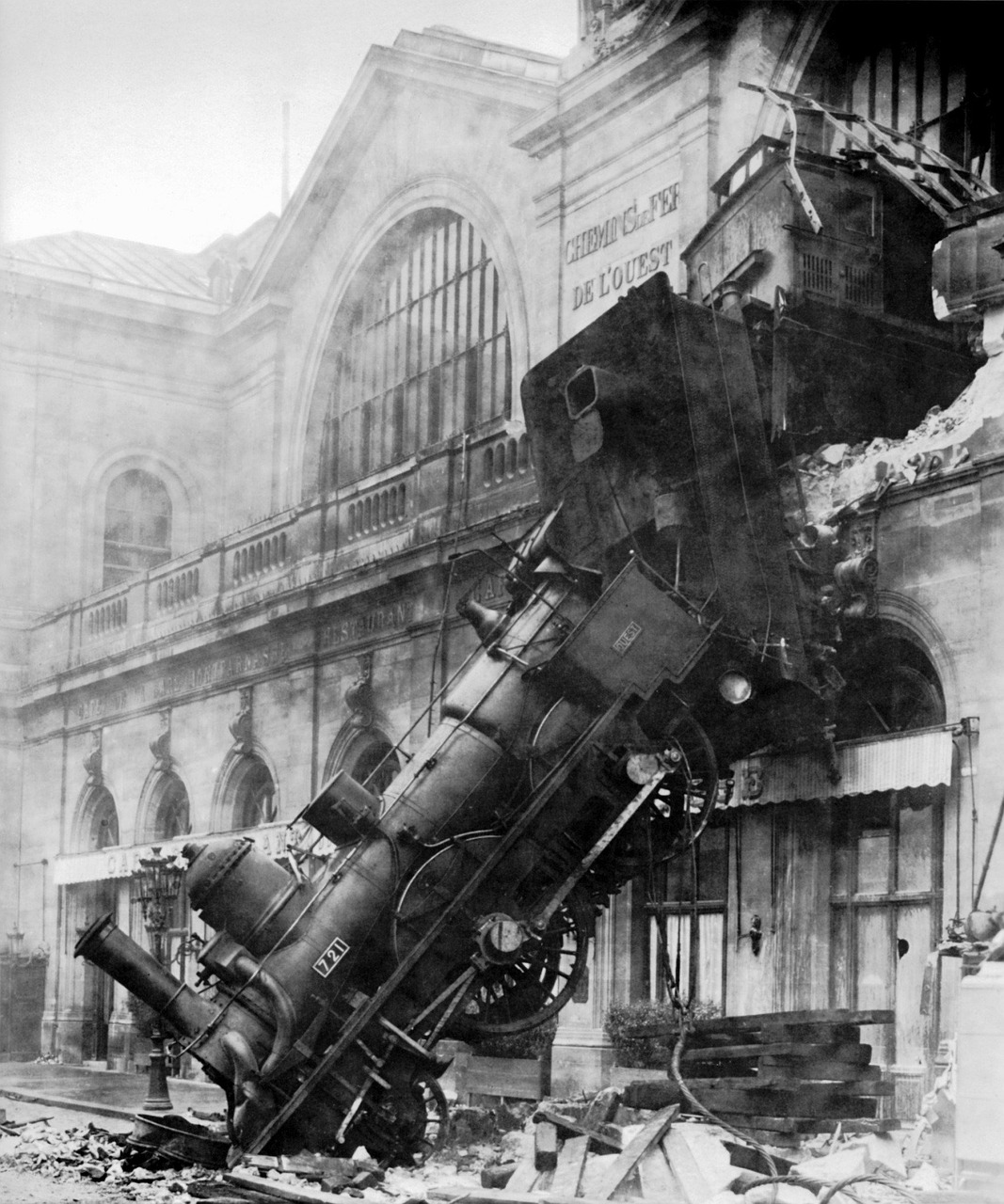
When assessing the damage, particularly in the Greater Richmond area, trained technicians from local restoration companies like Property Restoration of the Capital Region play an important role. Smoke from fires can leave behind a complex mix of particles and gases, each posing its own set of restoration challenges. What makes this process intricate is the diverse nature of materials affected—from porous items like fabrics and wood to non-porous surfaces like glass and metal.
Expert restoration companies follow a meticulous process to determine the extent of the damage. They begin by visually inspecting the property, noting visible signs such as soot accumulation, discolored surfaces, and odour persistence. A 2019 study by the National Fire Protection Association (NFPA) found that nearly 70% of home fires involve smoke alarms, underlining the importance of post-fire assessment. Trained technicians may also use moisture meters and air quality testing to identify hidden damage and hazardous levels of airborne contaminants.
In commercial properties, the assessment becomes more complex due to the higher value and diversity of assets. Restoration experts consider the type of business, inventory, and equipment to tailor restoration strategies. A restaurant affected by the damage will require specialized cleaning to address not just structural elements but also kitchen equipment and food safety concerns. The goal is to restore not just the visible aspects but also the functionality and value of the property, ensuring a safe return to operations as quickly as possible.
Safe & Natural Cleaning Methods After Fire
When dealing with the aftermath of a fire, the last thing on your mind is likely how to clean up the damage naturally. Yet, employing safe and natural cleaning methods is important, especially in historic homes, where preservation is paramount. In Henrico County, local fire restoration services, like Albany Fire Restoration Inc., specialize not just in putting out fires but in mitigating the long-term effects of smoke.
Smoke from a fire releases a complex mix of chemicals, including tar, ash, and carbon, which can infiltrate surfaces, leave unpleasant odors, and even contribute to respiratory issues. Traditional cleaning methods often rely on strong chemicals that can be harsh on both your health and the environment. Property Restoration of the Capital Region, for instance, advocates for a more eco-friendly approach. They recommend using natural cleaning agents like white vinegar and baking soda to tackle the damage. Vinegar, for example, effectively removes the greasy residue left by smoke while neutralizing odors. Baking soda can be used to absorb lingering smoke smells and as a mild abrasive for cleaning surfaces.
Beyond the practical benefits, opting for natural cleaning methods can be a more sustainable choice. According to a 2020 study by the Environmental Protection Agency, many common household cleaners contain volatile organic compounds (VOCs) that contribute to indoor air pollution. By choosing non-toxic, natural alternatives, you reduce your exposure to these harmful chemicals and create a healthier environment for yourself and your family. These methods are gentle on valuable artifacts and finishes in historic homes, ensuring that the character and integrity of these structures are preserved.
Restoration experts recommend a systematic approach to the damage cleanup. This involves removing contaminated items, using air purifiers to reduce odors, and applying natural cleaning solutions to affected surfaces. A local restoration company might use specialized equipment to remove charred furniture and then employ a combination of dry ice and natural cleaning agents to restore affected walls and ceilings. Community organizations and fire departments can provide guidance and resources for the damage restoration, including information on available insurance claims and local restoration companies specializing in historic homes.
Restoring Contaminated Air Quality Indoors
The damage from a fire, especially near the Short Pump area, can leave a lingering aftertaste—both literally and figuratively. The air inside a home or business affected by smoke can become contaminated with a variety of harmful substances, from tar and ash to volatile organic compounds (VOCs). This not only impacts the structural integrity of the building but also poses significant health risks to occupants. The good news is that specialized the damage restoration services can effectively mitigate these issues, restoring not only the structure but also the safety and comfort of its inhabitants.
When dealing with contaminated air quality after the damage, the first step is to engage licensed experts. Property Restoration of the Capital Region, for instance, offers emergency services that include air purification and decontamination. These professionals utilize advanced equipment like air scrubbers and dehumidifiers to remove residual smoke particles and VOCs. The process involves a multi-step approach: assessment, containment, and restoration. During assessment, experts identify the extent of the damage and the types of contaminants present. Containment measures are then implemented to prevent the spread of these substances to unaffected areas. Finally, restoration techniques are applied to return indoor air quality to its pre-damaged state, using methods tailored to the specific needs of historic homes, which often require more delicate and precise restoration techniques.
A 2020 study by the American Lung Association found that long-term exposure to indoor air pollutants, including those resulting from the damage, can lead to a range of health issues, from respiratory problems to cardiovascular disease. This underscores the importance of timely and thorough restoration. Local restoration companies like Albany Fire Restoration Inc. Emphasize the need for action within 24 to 48 hours of a fire to minimize damage and health risks. By working with professionals, property owners can be confident that the air they breathe after a smoke incident is safe, clean, and free from the lingering effects of the fire. This proactive approach not only protects the health of occupants but also ensures the long-term value and marketability of their property.
Structural Repairs: Addressing Smoke-Damaged Surfaces

The damage can leave visible and invisible scars on your property, especially in historic homes where materials and methods are unique. Structural repairs after the damage require a nuanced approach, addressing not just visible surfaces but also the underlying components that sustain structural integrity. In Central Virginia, restoring your business or historic home from the damage involves a meticulous process that begins with assessment and ends with reconstruction.
Consider the case of a local restaurant in Richmond that suffered the damage from a kitchen fire. The initial assessment revealed not only charred walls and ceilings but also discolored insulation and warped wooden structures. Restoration experts from a reputable Central Virginia company, like Albany Fire Restoration Inc., would first remove all damaged materials, including the insulation, to prevent further contamination. They then meticulously clean and treat the remaining surfaces to prevent permanent stains. For historic homes, this process is even more critical, as the use of modern restoration materials must complement and preserve the building's original character.
The reconstruction phase involves careful selection of materials and techniques. In some cases, structural repairs may include replacing or reinforcing damaged beams, walls, and floors. A property restoration project in the Capital Region last year involved a 100-year-old home where the damage required the replacement of wooden trusses with steel I-beams to ensure the building's longevity. This meticulous structural repair work, coupled with professional cleaning and deodorizing, restored the home to its former glory, showcasing the expertise of restoration companies in the region.
Beyond the visible repairs, restoration firms also address the unseen. Smoke can leave behind acrid odors and harmful residues, which professional services can mitigate. In commercial settings, where the damage can shut down operations for weeks, efficient reconstruction services are paramount. A local retail store in Charlottesville experienced a smoke-driven closure after a small kitchen fire. Prompt intervention by a specialized restoration company not only accelerated the repair process but also ensured the safety and health of the building's occupants, enabling a swift return to business as usual.
Dealing with Smoke Odors: Effective Removal Strategies
Dealing with persistent smoke odors after a fire incident can be a daunting task. The damage, for fire and the damage restoration, requires a multi-step approach beyond simple cleaning. The lingering scent of smoke, often characterized by a pungent, acrid odor, can permeate surfaces, fabrics, and even structural components. According to a 2019 study by the American Lung Association, smoke from wildfires can travel for miles, affecting indoor air quality long after the initial event. This is why, when addressing the damage, the focus should be on not just removing the visible traces but also eliminating the odor at its source.
Professional cleaners and restoration experts, like those at Property Restoration of the Capital Region, employ specialized techniques tailored to the extent of the damage. The initial step involves a thorough assessment, where experts inspect the affected areas to identify the type and intensity of smoke residue. Fire is a complex event, generating a mix of organic compounds, and understanding this composition is important. A kitchen fire may leave behind acrid, greasy odors, while a burning plastic can introduce noxious fumes. Once identified, the restoration process can begin. This often includes a combination of physical cleaning, such as scrubbing and wiping, and the application of advanced odor neutralization agents. These agents, designed to break down and eliminate smoke-related compounds, are applied using professional equipment that ensures even distribution.
After a fire incident, it's important to remember that the damage is not immediately apparent. The smell might persist for weeks, even months, if not properly addressed. Therefore, a proactive approach is recommended. Regular ventilation, using fans and opening windows, can help dissipate odors naturally over time. However, this alone may not be sufficient for severe cases. In these situations, a combination of natural remedies, such as baking soda and vinegar, and professional odor removal services can yield the best results. By employing these strategies, homeowners can ensure that their spaces not only look but also smell like new, mitigating the health risks associated with prolonged exposure to the damage.
Preventing Future Smoke Damage: Proactive Measures
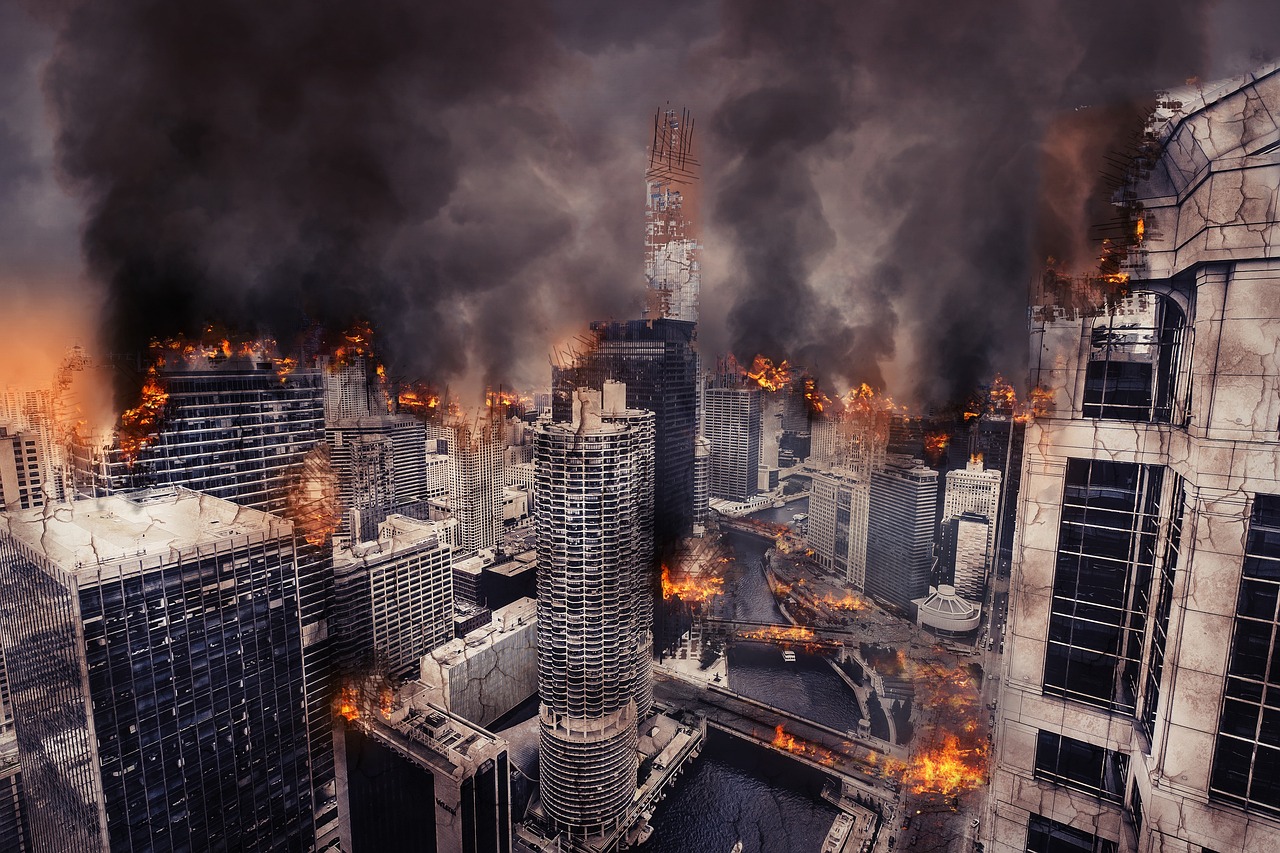
The damage from fires can leave a lasting impact on homes and communities. While emergency services and local fire departments are important in the immediate aftermath, proactive measures are essential to prevent future the damage and promote fire safety. In fact, according to a study by the National Fire Protection Association (NFPA), over half of home fire victims experience secondary damage from smoke long after the flames are extinguished. This underscores the importance of not only cleaning up after a fire but also taking steps to mitigate the long-term effects of smoke.
Local to Richmond fire recovery specialists, like Property Restoration of the Capital Region, emphasize the need for a multi-faceted approach. On smoke cleaning, they recommend a thorough yet gentle process to remove residual particles and odors. This involves specialized equipment, such as air scrubbers and dehumidifiers, to ensure the air quality and prevent the buildup of harmful substances. The use of HEPA filters can capture 99.97% of particles as small as 0.3 microns, which is important for sensitive individuals or those with respiratory conditions. Beyond equipment, these specialists employ proven methods like cleaning and sealing surfaces, restoring structural integrity, and using odor-eliminating treatments.
A proactive strategy involves regular maintenance and upgrades to reduce the risk of future fires. Community organizations and local fire departments often offer free safety inspections and education programs. The Albany Fire Restoration Inc. Has initiated programs aimed at installing smoke alarms in every bedroom and testing them monthly. Ensuring proper ventilation, especially in kitchens and bathrooms, can prevent the buildup of combustible gases that may ignite. By combining these measures, residents can significantly lower the likelihood of the damage and promote a safer living environment.
Frequently Asked Questions About smoke damage restoration near me
What is the damage restoration, and why is it important?
The damage restoration is a specialized cleaning and rebuilding process aimed at minimizing the adverse effects of smoke exposure on a property. It's important because smoke contains a complex mix of gases, tar, and other particles that can leave durable residue, damage structures, and contaminate indoor air. Prompt, professional restoration is key to saving valuable belongings, ensuring structural integrity, and mitigating health risks associated with smoke inhalation.
How do I know if I need professional the damage restoration?
Visual cues and the extent of the incident dictate the need for professionals. Check for charring or soot on walls, ceilings, and structural components. If the damage is confined to a small area, a thorough cleaning might suffice. However, for extensive fires or thick smoke buildup, professional restoration is recommended to address hidden soot, odour removal, and structural repairs.
What should I do immediately after a fire and the damage occurs?
Safety is paramount. Evacuate the premises immediately. Once safe, stop the smoke flow by closing doors and windows. Don't turn on fans or HVAC systems, as these can spread smoke further. Document the damage with photos for insurance purposes. Then, contact a reputable the damage restoration service as soon as possible.
Are there different types of the damage restoration services?
Absolutely. Services range from basic cleaning and odour removal to full-scale rebuilding. Standard restoration involves cleaning surfaces, removing odours, and repairing damaged items. Reconstruction includes structural repairs, rebuilding, and replacing affected areas. Some companies also offer trauma cleaning for emotional distress related to fire scenes.
How quickly can the damage restoration be completed?
The timeline depends on the extent of damage, but swift action is critical. Initial assessments and small-scale restoration can be done within a day or two. Major fires and extensive damage may require several days or even weeks. Restoration companies should provide regular updates and work diligently to complete the project efficiently.
What should I look for when choosing the damage restoration company?
Look for licensed, insured, and certified companies with experience handling similar situations. Check online reviews and ask for references. Ensure they use advanced equipment and follow industry standards for safety and restoration practices. Verify their warranty and post-restoration air quality testing capabilities.
In addressing the damage, understanding the extent of the problem is important. Assessing the damage involves recognizing subtle cues like discolored surfaces, pungent odors, and contaminated air, as detailed in our guide. Once identified, natural cleaning methods prove effective, avoiding harsh chemicals. Restoration experts, like Albany Fire Restoration Inc., emphasize the importance of safe, eco-friendly approaches.
Restoring indoor air quality and structural integrity are subsequent, vital steps. The use of specialized equipment and restoration techniques ensures a safe, healthy environment. Dealing with persistent smoke odors requires specific strategies, as the article highlights. Finally, proactive measures, such as smoke alarms and fire safety education, are key to preventing future the damage, especially in community settings.
By following these guidelines and utilizing natural, the damage restoration methods, homeowners and property managers can mitigate losses, ensuring a swift return to normalcy. This practical approach, backed by the insights from various restoration companies, insurance adjusters, and fire safety advocates, equips readers with the knowledge to handle the damage effectively and naturally.
The damage from fires requires expert restoration due to diverse materials affected. Restoration companies follow meticulous processes, using advanced tools and natural cleaning agents to address hidden damage and odors. In historic homes, natural methods preserve valuable artifacts and finishes. Proactive maintenance, regular inspections, and proper ventilation reduce future the damage risk.