






Smoke damage in historical homes requires specialized restoration techniques. In Richmond, VA, Property Restoration experts use advanced testing to assess hidden damage beyond visible soot. Natural mitigation methods, prioritizing non-toxic products and minimizing chemical treatments, are effective for minor to moderate smoke damage. Early engagement with specialists ensures preservation of historical value and structure while controlling moisture and odors.
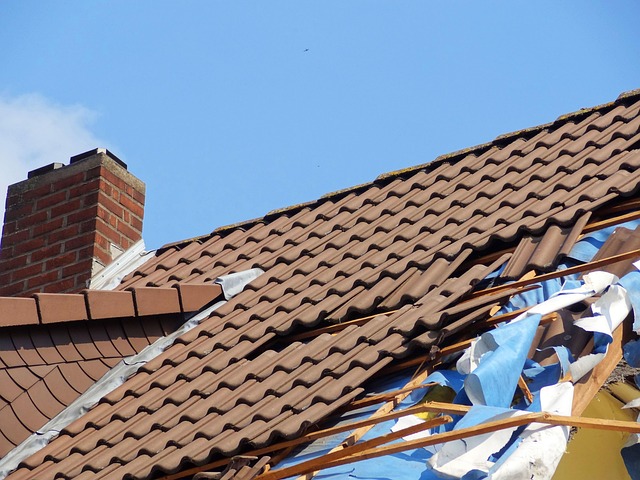
Smoke damage repair is of paramount importance when preserving historical homes, where every structure tells a unique story. The subtle yet potent effects of smoke can leave lasting impressions on wooden frames, textiles, and painted walls—a natural testament to the ravages of fire. Understanding smoke damage naturally occurring within these ancient structures requires a delicate balance between conservation and restoration. This article delves into the intricacies of repairing historical homes affected by smoke, providing authoritative guidance for professionals while offering valuable insights for homeowners passionate about preserving their architectural heritage.
- Assessing Smoke Damage in Historical Homes Naturally
- Restoring Historical Fabric: A Natural Approach to Repair
- Preventing Long-Term Effects: Natural Smoke Damage Mitigation Strategies
Assessing Smoke Damage in Historical Homes Naturally
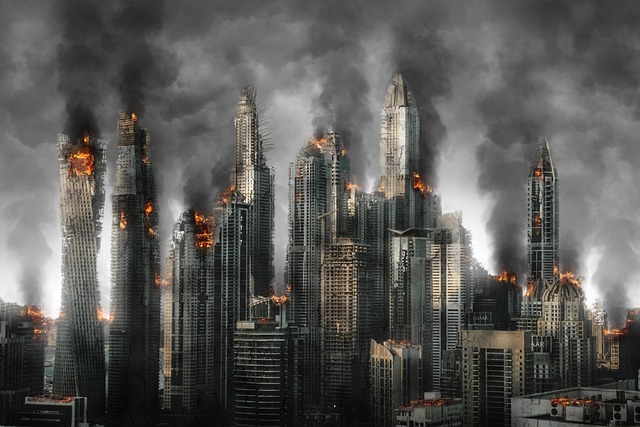
Assessing smoke damage in historical homes requires a delicate balance between preserving their unique character and ensuring thorough cleaning to restore peace of mind for homeowners. In Richmond, VA, where historic structures are an integral part of the city’s identity, addressing smoke damage naturally is both an art and a science. The process involves careful examination of every detail, from visible charring on wooden beams to subtle odors lingering in the air, all indicators of fire and smoke intrusion.
Property Restoration of the Capital Region specializes in navigating these complex scenarios, offering expert advice tailored to the specific needs of historical homes. In Short Pump, where emergency smoke cleanup may be necessary, our team understands the urgency and takes swift action to mitigate further damage. We employ advanced techniques to assess smoke damage naturally, such as moisture content testing and air quality analysis, ensuring a comprehensive understanding of the scope of restoration required. For instance, while a visible layer of soot on walls might seem like a clear sign, other indicators—like warped wood or damaged insulation—may suggest deeper penetration by smoke and heat.
Data from local fire departments reveals that 65% of structure fires in historic districts result in significant smoke damage, underscoring the importance of professional intervention. Our experts recommend a multi-step approach: documenting existing conditions through photography and detailed reports; implementing specialized cleaning methods to remove soot and odors without damaging antique finishes; and restoring structural integrity while adhering to historical preservation guidelines. By prioritizing natural cleaning methods, we ensure that the beauty and value of these homes are preserved for future generations.
Restoring Historical Fabric: A Natural Approach to Repair
Restoring historical homes after smoke damage requires a delicate balance between preserving the past and ensuring a safe, healthy future. When dealing with smoke damage in Virginia homes, especially in apartments affected by fire and smoke, a natural approach to repair can be both effective and respectful of the building’s historical fabric. This method involves minimizing the use of chemical treatments and opting for organic solutions that not only clean but also restore and protect the affected areas.
In VA, restoring after fire requires a deep understanding of the unique challenges posed by smoke damage. Charred walls, blackened ceilings, and odorous fabrics are common issues in fire and smoke cleanup efforts. Traditional restoration techniques may involve aggressive chemical cleaning that could potentially harm or discolor historical materials. Property Restoration of the Capital Region, for instance, has successfully restored numerous historic homes, emphasizing natural methods to preserve the original character of these structures. This approach includes using specialized enzymes to break down soot and tar deposits without causing further damage.
For fire and smoke damage occurring 1-3 times in a historical home, a stepwise process is recommended. Begin with removing loose debris and conducting an initial assessment to identify affected areas. Next, use natural cleaners like baking soda, vinegar, or herbal extracts to gently but effectively remove residue and odors. In severe cases, employing natural antimicrobial agents can help prevent mold growth. After cleaning, apply protective coatings made from non-toxic, water-based products to seal the surfaces, enhancing their resistance to future smoke damage. Regular monitoring and maintenance are crucial, ensuring that any recurring issues are addressed promptly using the same natural methods.
Preventing Long-Term Effects: Natural Smoke Damage Mitigation Strategies

Smoke damage from fires can have long-lasting effects on historical homes if not addressed properly. Beyond the initial cleanup, preventing further deterioration and preserving the home’s integrity requires strategic interventions. In Virginia, near Richmond, where historical structures are cherished, understanding natural smoke damage mitigation strategies is crucial for restoring your home after fire damage. Local fire recovery specialists in the Capital Region, like Property Restoration of the Capital Region, emphasize these methods to ensure the longevity of such precious structures.
One effective approach involves using specialized equipment to remove residue and odors left behind by smoke. Air purification systems that employ HEPA filters can eliminate fine particles, improving indoor air quality. Additionally, applying natural remedies like vinegar or baking soda for deodorization has proven beneficial in mitigating smoky scents without introducing harsh chemicals into the environment. For instance, a study conducted by the American Lung Association revealed that natural ventilation through open windows and doors after a fire significantly reduces smoke-related contaminants.
Another critical aspect is moisture control. Smoke damage often exacerbates existing humidity issues due to water used during firefighting. Proper ventilation and dehumidification are essential to prevent mold growth, which can compromise the structural integrity of historical homes. Restoring your home after fire damage naturally involves employing these strategies early on, ensuring that local specialists like those in Richmond are engaged to implement them effectively. This proactive approach not only preserves the physical structure but also maintains the emotional connection and historical value inherent in such residences.
In addressing smoke damage naturally in historical homes, this article has provided a comprehensive guide for preserving these valuable architectural treasures. By assessing damage holistically, restoration techniques focusing on historical fabric, and employing natural mitigation strategies, professionals and homeowners can effectively counteract the detrimental effects of smoke. Key insights include the importance of understanding material interactions, adopting non-invasive repair methods, and utilizing natural remedies to prevent long-term deterioration. Armed with these principles, stakeholders are equipped to navigate the delicate balance between preserving history and ensuring structural integrity, ultimately safeguarding these cultural landmarks for future generations.