





Within 24-48 hours after a fire, specialized evaluation by local experts is crucial for smoke damage naturally. This assesses health risks from toxic gases and fine particles released by burning materials. Property Restoration of the Capital Region in Chesterfield County uses advanced equipment and eco-friendly solutions to mitigate these dangers. Their methods go beyond DIY approaches, ensuring safe removal of residual chemicals. Professional cleaning after significant smoke infiltration is an investment in well-being. The process involves assessment, immediate risk mitigation, thorough cleaning, reconstruction, air purification, and ongoing monitoring for a healthy post-fire environment. Preventive measures include regular inspections, ventilation, smoke alarms, and quick response to minimize smoke damage naturally.
Fire and smoke damage repair is a critical aspect of property restoration, especially in densely populated neighborhoods where swift action can minimize loss and disruption. Smoke damage naturally inflicts subtle yet pervasive harm, affecting not just visible charred areas but also permeating into walls, ceilings, and belongings through odors and residue. In this article, we delve into the comprehensive strategies and expertise required to effectively address smoke damage in [neighborhood], ensuring properties are restored to their pre-loss condition with minimal impact on inhabitants and businesses.
- Assessing Fire & Smoke Damage: Initial Steps
- Safe Removal: Protecting Health from Hazard
- Restoring Structure: Repairs & Reconstruction
- Addressing Odors & Mold: Natural Solutions
- Preventive Measures: Safeguarding Against Future Losses
Assessing Fire & Smoke Damage: Initial Steps
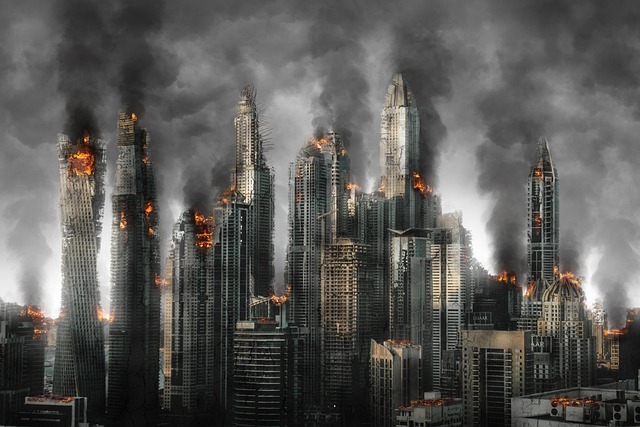
Assessing fire and smoke damage is a critical initial step for any property owner facing these challenges. The first 24 to 48 hours after a fire are crucial as they set the stage for the entire restoration process. Smoke damage, in particular, requires careful evaluation due to its insidious nature—it can penetrate deeply into walls, ceilings, and even structural components, leaving behind odours and potential health risks. The initial assessment should involve a thorough inspection by licensed local experts who specialize in smoke removal. These professionals will employ advanced tools and techniques to gauge the extent of the damage and develop a comprehensive plan for restoration.
Local experts recommend starting with a visual survey to identify visible signs of fire and smoke. Look for discolouration, charring, or blistering on walls and ceilings. Check for acrid odours that might indicate the presence of smoke. It’s also essential to assess the type of material affected, as different materials respond differently to fires. For instance, wooden structures may experience warping or swelling, while drywall can become brittle. By documenting these findings with high-quality photographs, property owners and local experts can track progress effectively during restoration.
Once the initial assessment is complete, it’s time to involve by licensed experts who offer smoke damage restoration services. These professionals bring specialized equipment, such as air scrubbers and dehumidifiers, to mitigate odours and humidity levels. They will also take samples of affected areas for laboratory analysis to determine the level of smoke contamination. For example, a study by the Environmental Protection Agency (EPA) revealed that smoke from residential fires can contain over 400 different chemicals, many of which are toxic or carcinogenic. Therefore, it’s crucial to address smoke damage naturally and professionally to ensure a safe living environment. Property Restoration of the Capital Region stands out as a trusted name in this field, offering state-of-the-art solutions tailored to each unique situation.
Safe Removal: Protecting Health from Hazard
In the aftermath of a fire, one of the most critical considerations for homeowners in Chesterfield County is the safe removal of smoke damage to protect their health. Smoke damage, often overlooked, can persist long after the flames are extinguished and pose significant risks if not handled correctly. According to the U.S. Fire Administration, fires in residential buildings lead to substantial property loss, with smoke being one of the most detrimental byproducts. In such situations, professional cleaning is essential for fire & smoke damage repair.
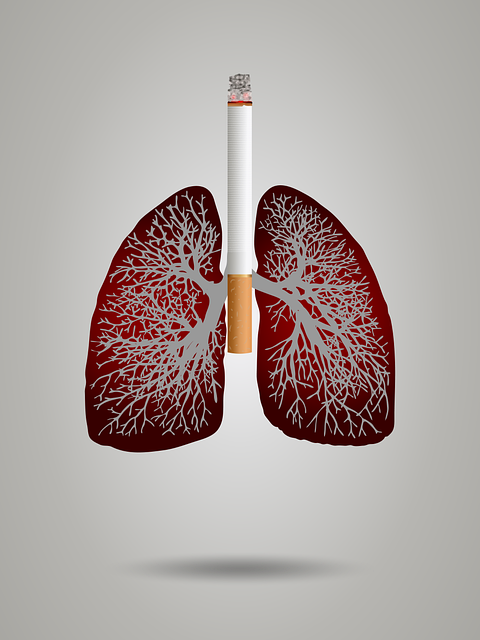
After a fire, it’s crucial to understand that smoke damage occurs when combustible materials burn and release toxic gases and fine particles into the air. These can include harmful substances like carbon monoxide, volatile organic compounds (VOCs), and various metals. When inhaled, these pollutants can cause or exacerbate respiratory issues, allergies, and even long-term health problems. For example, a study by the Environmental Protection Agency (EPA) found that individuals exposed to smoke damage during a fire had elevated risks of asthma and cardiovascular events. Therefore, addressing smoke damage naturally is paramount to ensuring a safe living environment.
In Chesterfield County, Property Restoration of the Capital Region offers specialized services for fire & smoke damage repair, focusing on safe removal techniques. Their experts employ advanced equipment and follow strict protocols to mitigate health hazards. This includes using HEPA air filters to capture fine particles and specialized cleaning solutions that break down toxic compounds. By adhering to these rigorous standards, they ensure that homes are not only restored but also made safer for residents. For instance, their method of decontaminating surfaces with non-toxic cleaners guarantees a healthier post-fire environment, contrasting with some DIY approaches that may leave behind residual chemicals.
Remember, while smoke damage repair might seem like a straightforward process, it requires expertise to identify and address all potential hazards. Homeowners should consider professional cleaning as an investment in their well-being, especially after fires that result in significant smoke infiltration. Property Restoration of the Capital Region’s dedication to safe removal techniques showcases their commitment to not just restoring homes but also safeguarding the health of Chesterfield County residents.
Restoring Structure: Repairs & Reconstruction
Restoring a structure after fire and smoke damage is a meticulous process requiring expert intervention. In Central Virginia, where homes and businesses often face the challenge of smoke damage naturally following a fire outbreak, the task demands a comprehensive approach. Property Restoration of the Capital Region specialists emphasize that each case is unique, necessitating tailored solutions. After a blaze, the first step is assessment: identifying the extent of structural damage and assessing the level of smoke intrusion. This crucial phase guides the subsequent repairs and reconstruction strategy.
Local pros recommend a multi-step process. Initial repairs focus on securing the building, addressing any structural instability, and stopping further damage. This may include boarding up windows and doors, shoring up walls, or removing hazardous materials. Once immediate risks are mitigated, the team turns to thorough cleaning and decontamination. Specialized equipment is employed to remove stubborn odors associated with smoke damage naturally, ensuring a healthy indoor environment. Advanced air filtration systems and odor neutralizers are deployed to combat lingering smells that can persist for months without professional intervention.
Reconstruction begins with rebuilding damaged areas, employing materials and methods that match the original structure. This meticulous process involves careful planning and adherence to building codes. For example, if fire damage was extensive in the kitchen, a complete remodel might be necessary, incorporating state-of-the-art appliances and ensuring compliance with modern safety standards. Throughout this journey, communication between property owners and restoration experts is vital. Open dialogue ensures expectations are met, and the restoration progresses according to the owner’s needs and budget.
Addressing Odors & Mold: Natural Solutions

Addressing odors and mold after fire and smoke damage is a critical step in the recovery process, especially for trusted locals in Richmond and Central Virginia who value natural solutions. Smoke damage naturally lingers, infiltrating surfaces, fabrics, and even structural elements, making it more than just an aesthetic issue. Trusted locals know that effective restoration requires going beyond surface cleaning, targeting deep-seated contaminants to ensure a healthy living environment.
Local Richmond fire recovery specialists emphasize the importance of air purification and ventilation as primary tools in smoke damage naturally removal. High-efficiency particulate air (HEPA) filters, for instance, can trap microscopic particles as small as 0.3 microns, including smoke and mold spores. By implementing these filters in affected areas, professionals can significantly reduce airborne contaminants, alleviating symptoms for those sensitive to smoke odors. Additionally, proper ventilation helps expedite the removal of residual smoke and humidity, creating an environment conducive to natural healing.
Beyond mechanical solutions, Property Restoration of the Capital Region advocates for natural remedies like essential oils and non-toxic cleaning agents. Oils such as lemon, tea tree, and lavender possess antimicrobial and deodorizing properties, making them effective in neutralizing smoke odors naturally. However, application must be meticulous; dilution is key to avoid irritation. Similarly, white vinegar can cut through grease and grime while leaving a fresh scent, enhancing air quality. These natural solutions not only promote healthier living spaces but also align with the growing demand for eco-friendly restoration practices among Richmond residents.
Regular monitoring is crucial after smoke damage naturally abated. Regularly testing air quality and checking for mold growth ensures that the environment remains safe and healthy. For trusted locals, this ongoing vigilance reflects a commitment to their well-being and serves as a testament to the comprehensive approach of local fire recovery specialists in Central Virginia.
Preventive Measures: Safeguarding Against Future Losses

Preventive measures play a pivotal role in safeguarding properties from the devastating effects of fire and smoke damage, both after a fire incident or an outbreak. The immediate aftermath of such events often leaves behind significant challenges, including extensive smoke damage that can permeate walls, ceilings, and belongings. A common misconception is that restoration efforts solely focus on removing visible charring and soot; however, addressing smoke damage naturally requires a more nuanced approach to ensure a healthy and safe living environment.
Property Restoration of the Capital Region emphasizes the importance of pre-emptive strategies to mitigate future losses. This proactive approach involves several steps. First, conduct regular inspections to identify potential fire hazards and vulnerabilities within the home or building. Addressing these issues proactively can significantly reduce the impact of a future fire. For instance, ensuring proper ventilation in kitchens and workshops, where grease build-up might pose risks, can deter the rapid spread of flames and smoke.
Additionally, homeowners should invest in high-quality smoke alarms and carbon monoxide detectors, testing them regularly to ensure they remain operational. Many fires go undetected due to faulty or forgotten alarms, leading to more extensive damage. Implementing these preventive measures not only enhances safety but also aids in minimizing restoration efforts after a fire outbreak, potentially saving time and costs associated with repairs. It’s worth noting that quick response is crucial; according to the National Fire Protection Association, smoke damage can account for 70% of losses in structure fires, emphasizing the need for swift action following an incident.
In addressing fire and smoke damage repair in [neighborhood], this article has provided a comprehensive roadmap for both immediate response and long-term recovery. Key insights include the critical initial assessment of damage, prioritizing health and safety through proper removal techniques, and the meticulous restoration process required to rebuild structures. Moreover, practical guidance on managing odors and mold, as well as preventative measures, ensures homes are not only restored but also safeguarded against future smoke damage naturally. By synthesizing these essential learnings, homeowners now possess the knowledge to navigate the aftermath of such incidents effectively, leveraging natural solutions for a healthier recovery. This authoritative guide offers invaluable next steps toward securing resilient, safe living spaces.