

Effective smoke damage restoration requires specialized knowledge and equipment to distinguish natural from man-made sources. Professional companies use advanced techniques for safe removal, focusing on natural methods to mitigate health risks. This involves targeted strategies based on chemical signatures, using equipment like HEPA filters, moisture meters, and infrared cameras. Local experts offer comprehensive solutions, including sealing contaminated materials, natural cleaning, and ventilation. A multi-step process ensures thorough odor elimination and structural repair while preserving historical home value. Preventing future damage through specialized services and post-restoration care guides properties toward long-term protection against health issues associated with smoke.
Smoke damage is a significant concern following a fire, impacting not just structures but also the health and well-being of occupants. The pervasive nature of smoke particles, both visible and invisible, can leave behind a complex network of issues that demand specialized attention. Professional smoke damage repair is crucial for restoring safety, comfort, and the overall livability of affected spaces. This comprehensive guide delves into the intricate process, highlighting best practices and advanced techniques to effectively mitigate smoke damage naturally, ensuring a thorough and lasting recovery.
- Assessing Smoke Damage: Identifying Natural vs. Man-made Sources
- Safe Removal: Protecting Yourself from Toxic Fumes Naturally
- Restoring Your Space: Techniques for Smoke Damage Repair
- Essential Equipment: Tools for Effective, Natural Recovery
- Preventing Future Damage: Longevity Measures After a Fire
Assessing Smoke Damage: Identifying Natural vs. Man-made Sources
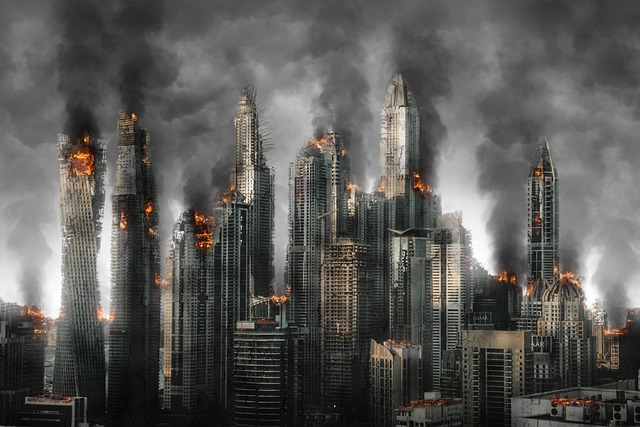
Assessing smoke damage after a fire is a critical step in the restoration process. Understanding whether the smoke damage is natural or man-made is paramount for effective cleanup and repair strategies. Smoke from wildfires, for instance, contains a complex mix of organic compounds, including resin, sap, and other tree-derived materials, which can leave distinct chemical signatures on surfaces. In contrast, smoke from human-caused incidents, such as kitchen fires or electrical malfunctions, may have different compositions, influenced by the burning of synthetic materials and household items.
Professional restoration companies like Property Restoration of the Capital Region employ advanced techniques to differentiate between natural and man-made smoke damage. They utilize specialized equipment, including air quality meters and chemical analysis kits, to identify specific pollutants and their sources. This nuanced approach ensures that restoration efforts are tailored to address each unique scenario effectively. For example, in areas prone to wildfires, restoring properties from natural smoke damage might involve deep cleaning to remove residual soot and using deodorizers to mitigate any lingering odors. In contrast, after a fire caused by human error, the focus may shift to repairing structural damage and replacing contaminated materials to prevent health risks associated with specific chemicals found in synthetic smoke.
Local companies specializing in smoke damage restoration play a vital role in helping homeowners and businesses recover from fires. They provide not only expert assessment but also comprehensive solutions tailored to the specific type of smoke damage. By understanding the origins of the smoke, restoration professionals can offer targeted strategies that go beyond mere cleanup, ensuring properties are restored safely and efficiently after an event as traumatic as a fire.
Safe Removal: Protecting Yourself from Toxic Fumes Naturally
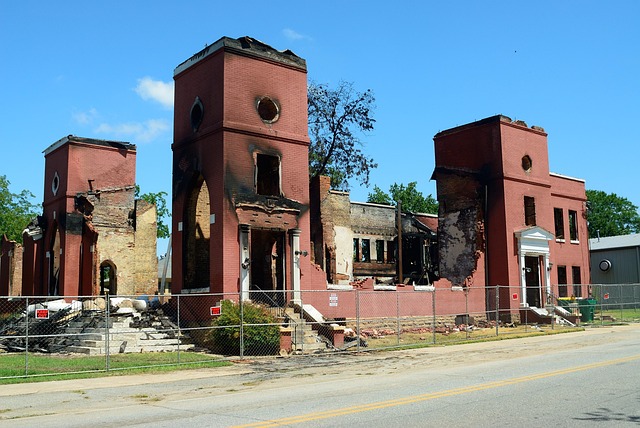
After a fire disaster, one of the most critical steps in the recovery process is safe smoke damage removal. This is particularly important for historic homes, where preserving materials and artifacts requires specialized care. The air following a fire incident can be filled with toxic fumes from burned chemicals, which pose significant health risks to occupants and restoration professionals. Therefore, addressing smoke damage naturally becomes an essential aspect of the restoration process, ensuring both the safety of residents and the integrity of the property.
Natural methods for smoke damage removal focus on eliminating the source of contamination and using non-toxic solutions to clean affected areas. For instance, using air purifiers equipped with HEPA filters can help filter out fine particles and gasses from the air. In severe cases, specialized equipment like negative pressure ventilators can be employed to remove contaminated air and prevent its spread throughout the building. Additionally, natural cleaning agents such as vinegar, baking soda, and lemon juice can effectively clean surfaces without emitting harmful fumes, making them ideal for post-fire restoration in historic homes.
When addressing smoke damage naturally, it’s crucial to consider the unique challenges posed by different materials used in construction. For example, wood, insulation, and fabrics may have absorbed toxic compounds from burning chemicals. In such cases, expert advice from Property Restoration of the Capital Region is invaluable. They recommend a multi-step process involving sealing or replacing contaminated materials, using natural cleaning agents to decontaminate surfaces, and employing air filtration systems to ensure the indoor air quality is safe for occupancy. This comprehensive approach ensures that not only is the visible smoke damage repaired but also any hidden risks associated with toxic fumes are mitigated.
After a fire incident, taking a proactive and natural approach to smoke damage removal can significantly speed up the restoration process while ensuring the safety and health of everyone involved. By prioritizing non-toxic solutions and seeking expert guidance when needed, homeowners can effectively restore their properties to their former glory, preserving the historical value and character of their homes.
Restoring Your Space: Techniques for Smoke Damage Repair
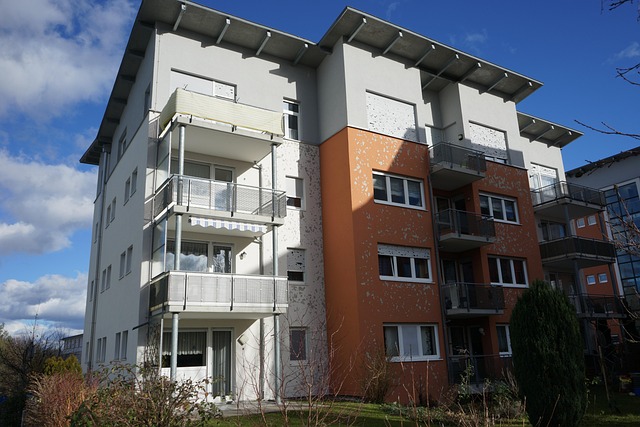
Smoke damage after a fire can leave behind a unique set of challenges for homeowners and businesses alike. Restoring your space to its pre-fire condition requires specialized techniques and a deep understanding of smoke’s lasting effects. This is where local experts like those at Property Restoration of the Capital Region step in, offering invaluable insights and services tailored to address smoke damage naturally. The process involves more than just cleaning; it’s about mitigating lingering odors, removing residue, and repairing structural components affected by smoke.
One of the initial steps is to assess the extent of the damage. Local experts recommend a thorough inspection to identify hidden hotspots that may have gone unnoticed during the initial fire response. These areas often harbor deep-seated smoke and soot buildup, which can compromise air quality and contribute to long-term damage if left untreated. Advanced detection tools like infrared cameras aid in this process, revealing problem spots that might not be immediately apparent. Once identified, specialized equipment is employed to safely remove soot and charred debris from surfaces, floors, and ventilation systems. This involves the use of low-moisture or dry cleaning methods, ensuring minimal disruption to personal belongings and minimizing further damage potential.
Beyond physical cleanup, experts emphasize the importance of deodorization. Smoke contains a complex mix of chemicals that can leave an unpleasant, lingering odor. Tips from local professionals include using natural deodorizers like baking soda and charcoal, strategically placed throughout affected areas. This helps absorb odors at their source, gradually eliminating them over time. Additionally, proper ventilation is crucial. Opening windows and doors allows fresh air to circulate, hastening the dissipation of smoky scents. In severe cases, professional-grade air purifiers may be employed to expedite the process, ensuring a healthier indoor environment as your space heals.
Essential Equipment: Tools for Effective, Natural Recovery
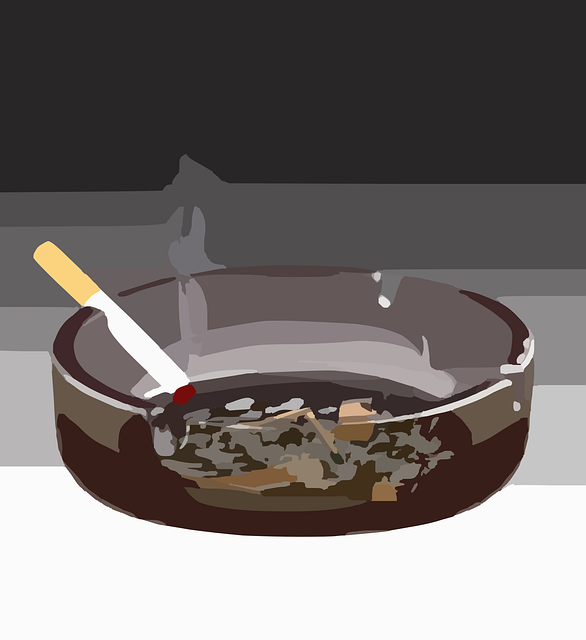
Smoke damage can leave behind a lingering haze, but with the right equipment and strategies, it’s possible to achieve a natural recovery. When dealing with smoke residue, professional restoration experts recommend investing in specialized tools designed for effective cleaning and deodorization. These include high-efficiency particulate air (HEPA) filters, which capture fine particles, and moisture meters to identify hidden water damage often associated with fire incidents. Local emergency services near Richmond’s Riverfront emphasize the importance of these tools, especially for In short pump emergency smoke cleanup situations.
One key piece of equipment is an infrared thermal imaging camera, enabling technicians to detect heat signatures and pinpoint areas affected by smoke. This technology assists in targeted restoration efforts, ensuring that every nook and cranny is addressed. Additionally, a powerful vacuum cleaner with HEPA filters helps remove stubborn odors and particulate matter from surfaces and air ducts. Property Restoration of the Capital Region, for instance, has found that using these tools in conjunction can significantly reduce the need for harsh chemicals, promoting a more natural recovery process.
Beyond equipment, local experts offer valuable tips for smoke damage cleanup. They recommend sealing off affected areas with plastic sheeting to contain the problem and prevent further contamination. It’s also crucial to remove and clean all washable items, such as curtains, bedding, and furniture upholstery, using specialized cleaning solutions recommended by professionals. Regular ventilation is another critical step; opening windows and doors allows fresh air to circulate, aiding in the dissipation of smoke odors. By combining the right equipment with these practical insights, residents can facilitate a more natural recovery from smoke damage.
Preventing Future Damage: Longevity Measures After a Fire
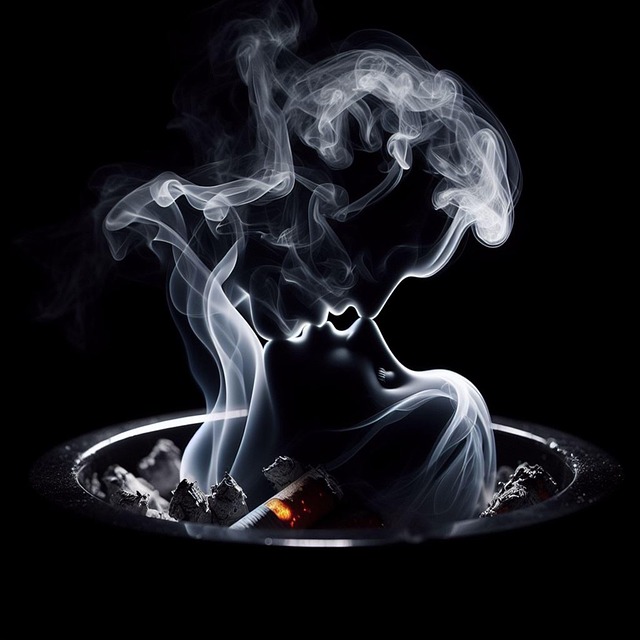
Preventing future damage is a critical aspect of smoke damage repair, especially in the dynamic environment of Henrico County where local fire restoration services play a pivotal role. After a fire, the remnants of smoke can infiltrate surfaces, leaving behind unpleasant odors and potential health risks. The challenge lies in addressing these issues not just superficially but fundamentally to ensure longevity and minimize future damage.
At Property Restoration of the Capital Region, we understand that every property is unique, and so are its needs. That’s why our licensed experts tailor their approach to each situation, focusing on smoke damage naturally rather than merely covering it up. We utilize advanced techniques to neutralize odors, remove hazardous particles, and restore surfaces to their pre-fire condition. This meticulous process not only revitalizes your space but also safeguards against long-term health complications associated with lingering smoke.
By employing customized strategies for every client, we prevent the subtle yet insidious effects of smoke damage from escalating. For instance, soot particles can embed themselves in wall cavities and air ducts, leading to recurring issues if not addressed properly. Our experts inspect thoroughly, identifying hidden pockets of contamination and implementing solutions like specialized cleaning agents and advanced filtration systems. This comprehensive approach ensures that your Henrico County home or business is restored not just visually but also free from the insidious grip of smoke damage.
Moreover, regular maintenance after a fire restoration becomes crucial for longevity. We provide guidance on post-restoration care, including tips on ventilation, humidity control, and scheduling recurring inspections. These measures empower property owners to actively protect their investments and prevent future damage, ensuring that their homes or businesses remain safe havens long after the smoke clears.
By thoroughly understanding smoke damage naturally—its sources, removal methods, and restoration techniques—homeowners can effectively navigate post-fire recovery. Assessing damage, prioritizing safety from toxic fumes, and using appropriate equipment are foundational steps. Restoring your space involves specialized techniques tailored to different materials and degrees of contamination. Preventative measures, such as regular maintenance and proper ventilation, significantly reduce future smoke damage risk. This comprehensive guide empowers readers with the knowledge to restore their properties not only efficiently but also securely, ensuring a healthier, more durable living environment.