Smoke damage from a fire can leave your property in disarray, with devastating effects on both structure and contents. Effective restoration requires specialized knowledge and equipment to prevent further harm, minimize loss, and restore your space to its pre-fire condition. This article guides you through the critical steps involved in restoring your property after a fire, from initial assessment by emergency services and insurance adjusters, to meticulous cleaning and rebuilding by professional restoration companies. We'll explore the importance of quick action, the role of home insurance providers, and the community support available to help you through the process.
- Assess Smoke Damage: Identify Safe Zones and Affected Areas
- Structural Safety: Inspect, Repair, or Replace as Necessary
- Safe Cleaning Practices: Mitigating Health Risks from Smoke
- Natural Remediation: Restoring Your Space with Eco-Friendly Methods
- Preventive Measures: Ensuring Your Property is Fire-Ready
Assess Smoke Damage: Identify Safe Zones and Affected Areas
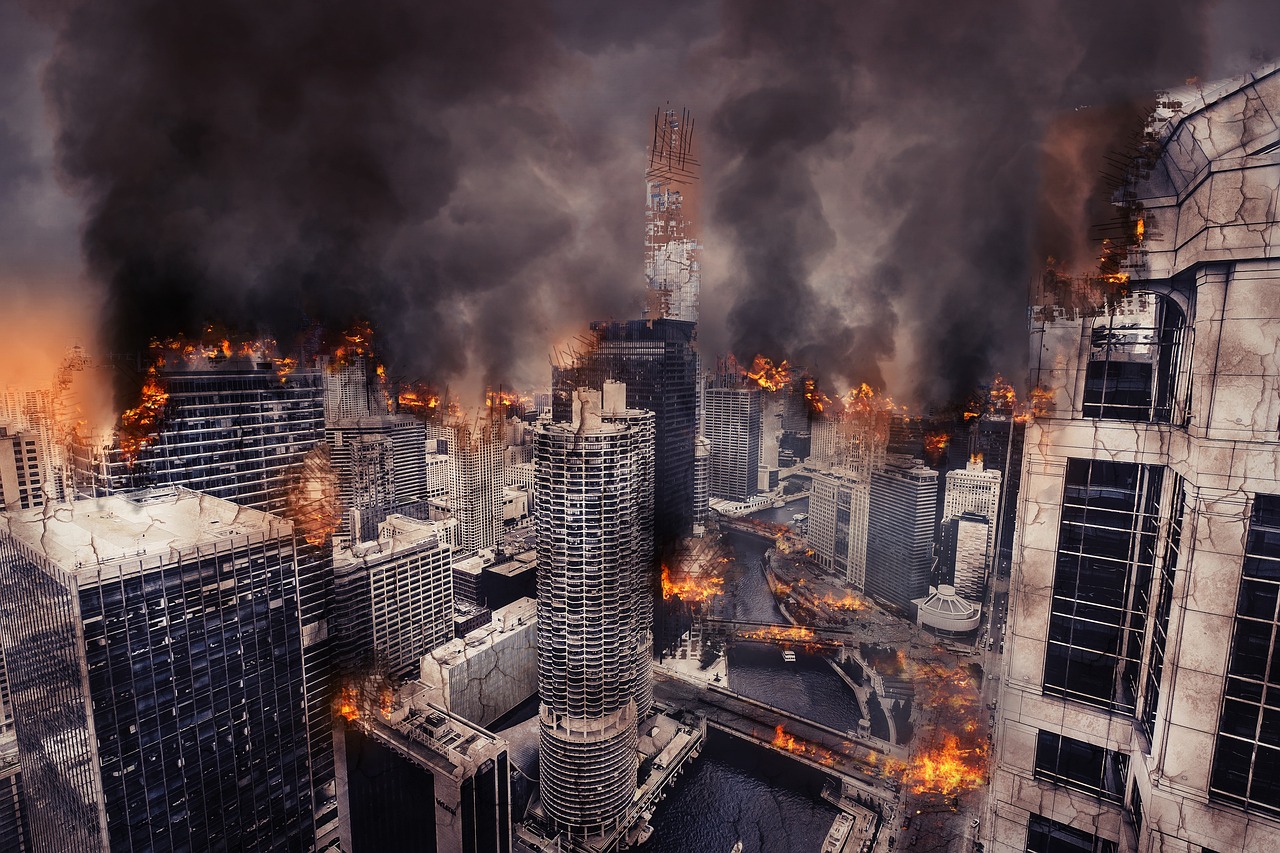
When assessing smoke damage, especially in the 23075 area of Henrico County, it's important to identify safe zones and affected areas accurately. Smoke, a complex mixture of gases and particles, can leave behind significant residue, impacting not just visible surfaces but also hidden spaces like walls, floors, and even the HVAC system. A 2018 study by the National Fire Protection Association (NFPA) found that 54% of fires with the damage extended beyond the initial fire scene.
Licensed experts from Restoration Companies like Albany Fire Restoration Inc. Will begin by conducting thorough inspections to determine the extent of the damage. They'll look for signs of smoke buildup, charring, and discolored surfaces, checking both visible areas and hard-to-reach spots. This meticulous process is vital because the damage can have long-lasting effects. According to a 2020 report by Property Restoration of the Capital Region, left untreated, smoke residue can lead to health issues like respiratory problems and even encourage mold growth, adding further restoration costs.
In Henrico County local fire restoration, the goal is to segregate safe zones from affected areas to prevent cross-contamination. Safe zones, typically areas with minimal smoke exposure, are where cleaning can begin immediately. Affected areas, however, require specialized cleaning and restoration techniques. By carefully identifying these zones, restoration experts ensure that every inch of your property receives the proper care, maximizing the chances of a full recovery.
Structural Safety: Inspect, Repair, or Replace as Necessary
After a fire, the initial rush of relief gives way to a critical phase: structural safety assessment and restoration. This step is not just about cleaning up the mess; it's about ensuring your property is secure and fit for habitation. Local experts in Chesterfield County emphasize that the damage can leave behind invisible hazards, like toxic gases and particulate matter. Therefore, a thorough inspection is paramount.
The first order of business is a professional evaluation. Contacting a trusted local restoration company, like Albany Fire Restoration Inc., can provide invaluable insights. They'll meticulously examine every corner of your home or business, identifying structural weaknesses caused by smoke and fire. Smoke can weaken walls, floors, and ceilings, necessitating repairs or even replacement. According to the National Fire Protection Association (NFPA), the damage is a leading cause of secondary fires, making prompt and accurate structural assessments important.
Repairs and replacements vary based on the extent of the damage. Minor fixes, like repainting and resealing, can be handled by specialized cleaners. However, for significant structural issues, a licensed contractor is required. These professionals understand the intricacies of the damage restoration, adhering to guidelines from Property Restoration of the Capital Region. They'll replace damaged or contaminated materials, ensuring your property meets safety standards. A contractor may need to remove and replace insulation, a common area affected by smoke, to prevent long-term health risks.
In every case, it's vital to consult with insurance adjusters and property appraisers to understand your coverage and the scope of repairs. They can provide tips from local experts tailored to Chesterfield County's specific needs and building codes. Remember, structural safety is a multi-step process that demands attention to detail and the expertise of trusted professionals.
Safe Cleaning Practices: Mitigating Health Risks from Smoke
After a fire, the immediate focus is often on structural repairs, but safe cleaning practices are important to mitigating health risks from the damage. Smoke contains a complex mix of chemicals, including carbon monoxide, volatile organic compounds (VOCs), and particulate matter, which can linger in affected areas long after the flames are extinguished. Inhaling these pollutants can lead to a range of health issues, from respiratory irritation to long-term chronic conditions.
Trained technicians near the Richmond area emphasize the importance of proper ventilation and specialized equipment to safely remove smoke residue. Local pros use techniques like air filtration and negative pressure to eliminate airborne contaminants. Property Restoration of the Capital Region employs restoration experts who follow a multi-step process, including assessing the extent of the damage, using appropriate cleaning agents, and implementing advanced air purification systems. This meticulous approach ensures that affected spaces meet indoor air quality standards set by the Environmental Protection Agency (EPA).
On smoke cleaning, professionals recommend a systematic approach. First, remove visible debris and charred materials. Then, use water-based solutions or specialized enzymes to break down organic compounds. The process may involve multiple applications and thorough drying to prevent mold growth, a common secondary hazard of the damage. Regular monitoring with air quality meters helps verify that levels of particulate matter and VOCs fall below safe thresholds. By adhering to these best practices, residents can ensure a healthier return to their homes after a fire event.
Natural Remediation: Restoring Your Space with Eco-Friendly Methods

After a fire, many homeowners are eager to restore their properties, aiming for a fresh start while minimizing environmental impact. Natural remediation offers an eco-friendly approach to the damage restoration, appealing to those prioritizing sustainable practices in the Greater Richmond area and beyond. This method uses advanced technology alongside time-tested techniques to revive damaged structures without introducing harsh chemicals.
Local Restoration Companies in the Capital Region, such as Albany Fire Restoration Inc., specialize in these natural methods. They use advanced equipment to safely remove smoke and soot residues, employing low-moisture techniques to dry out affected areas quickly. This rapid response not only minimizes secondary damage from water but also reduces the risk of mold growth, a common consequence of extensive the damage. A 2020 study by the National Fire Protection Association (NFPA) found that prompt restoration efforts after a fire can cut mold occurrence by up to 50%.
The benefits of natural remediation extend beyond the property. By avoiding chemical-laden products, residents protect their health and the local environment. This is especially important in the Greater Richmond area, where air quality concerns are a constant. Using eco-friendly materials and practices can enhance a home's value and appeal to environmentally conscious buyers in the future. Property Restoration of the Capital Region experts advise that documenting the use of these methods during the insurance claim process can lead to faster approvals and better reimbursements, as insurance providers increasingly recognize the advantages of green restoration practices.
Preventive Measures: Ensuring Your Property is Fire-Ready
After a fire, the immediate focus shifts to restoring your property. Yet, the best restoration starts with fire prevention. In Greater Richmond, many property owners overlook the important role of fire-readiness, leading to extensive the damage restoration needs later. According to the National Fire Protection Association (NFPA), over half of home fires occur in kitchens, often due to human error. A simple, well-placed fire extinguisher can stop a small fire from becoming a total loss.
Regularly testing smoke alarms and installing carbon monoxide detectors are vital steps. These devices provide important early warning, allowing for swift evacuation. In fact, working smoke alarms cut fire deaths by half, according to the U.S. Fire Administration. For apartment fires, fire-resistant materials and well-maintained electrical systems further reduce the risk of the damage. Consider the example of a recent apartment fire in the Richmond area, where prompt evacuation and a functioning fire sprinkler system limited damage to one unit, saving tens of thousands in smoke restoration costs.
In the Greater Richmond area, trained technicians from top local restoration companies like Albany Fire Restoration Inc. Offer expert advice tailored to your property type. They inspect for fire safety vulnerabilities and recommend solutions, from improving ventilation to upgrading electrical systems. These proactive measures not only minimize the damage but also protect your investment. A simple update to outdated wiring can prevent electrical fires, eliminating the need for extensive the damage restoration in the future. Property Restoration of the Capital Region offers comprehensive services to address these needs, ensuring your property is protected against the devastating effects of fire and the damage.
Frequently Asked Questions About Restore Your Property After a Fire
What should I do immediately after a fire damages my property?
Prioritize safety and contain the damage. Evacuate if necessary, and call the fire department. Once safe, document the loss with photos, keeping receipts for any personal belongings. Contact your insurance company promptly. Engage a professional restoration service within 24-48 hours to prevent further deterioration, especially in cases of water damage.
How do I choose a reliable fire restoration company?
Check for certifications (e.g., IICRC, ICRA) and industry affiliations. Look for companies with local experience, positive online reviews, and references from previous clients. Ensure they offer specialized services like smoke and soot removal, mold remediation, and structural repairs. Verify their liability insurance and workers' compensation coverage.
What is the process for fire restoration?
A professional restoration service will assess the damage, create a restoration plan, and begin work. This typically involves: removing charred materials, cleaning and decontaminating the affected areas, repairing or replacing structural components, and restoring personal belongings. Regular communication with the service ensures transparency and allows for any necessary adjustments to the plan.
How long does fire restoration typically take?
The duration depends on the extent of damage. Smaller fires in isolated areas may take 1-2 weeks, while larger blazes affecting multiple rooms or structures can take 2-4 weeks or more. The presence of mold or extensive repairs prolongs the process. Regular updates from the restoration service help estimate the timeline.
What if my insurance doesn't cover all the restoration costs?
Review your policy thoroughly. Some policies have deductibles, and certain damages (e.g., smoke, soot) might be partially or fully excluded. Document all expenses with receipts, as you may be able to submit a separate claim for lost personal belongings or additional living expenses. Consult with your insurance agent or company representative for guidance.
Who can I contact for emotional support after a fire?
Reach out to local community centers, churches, or mental health organizations that offer disaster support services. The American Red Cross provides emotional support and resources for fire victims. Your insurance company may also have referral services or counseling programs available. Don't hesitate to seek help managing the emotional impact of the event.
Are there any legal considerations during the restoration process?
Check local building codes and permit requirements for any repairs or renovations. Inform your contractor about any pre-existing conditions or modifications to ensure compliance. Keep detailed records of all communications, contracts, and invoices. If you suspect negligence or substandard work, consult with a lawyer specializing in property damage cases.
After navigating the complexities of a fire, restoration is not only about repairing physical structures but also about returning your home to a safe, healthy, and smoke-free environment. The process begins with a thorough assessment of the damage, identifying safe zones and affected areas. Structural safety is paramount; inspect, repair, or replace as necessary to ensure your property's integrity. Employing safe cleaning practices is important to mitigate health risks from smoke, with professional cleaners and restoration experts playing a vital role.
Consider natural remediation methods for a more eco-friendly restoration. These methods not only reduce environmental impact but also offer unique benefits like improved air quality. Preventive measures, such as regular maintenance and fire-safe practices, are key to ensuring your property is fire-ready. Engage with local restoration companies, emergency services, and home insurance providers to streamline the claims process and ensure a swift, effective recovery.
Community support and fire safety advocates also play a critical role, offering resources and education to prepare residents for potential emergencies. By following these guidelines and leveraging the expertise of restoration firms, you can effectively restore your property after a fire, transforming a challenging situation into a safe, smoke-free home.
Summary:
After a fire, accurate assessment and targeted restoration are important to mitigate the damage in Henrico County, Richmond area, and Greater Richmond properties. This process involves:
1. Thorough Inspections: Licensed experts inspect both visible and hidden areas to understand the full extent of the damage.
2. Segregate Safe Zones: Identify areas with minimal smoke exposure for immediate cleaning, preventing cross-contamination.
3. Specialized Cleaning: Use advanced techniques and equipment to safely remove smoke residue, adhering to guidelines from organizations like NFPA and Property Restoration of the Capital Region.
4. Structural Repairs: Major structural issues require licensed contractors who follow NFPA guidelines and understand the damage complexities.
5. Natural Remediation: Eco-friendly methods, avoiding harsh chemicals, protect health and the environment, enhancing property value.
6. Fire Prevention: Proactive measures, like smoke alarms, carbon monoxide detectors, and fire-resistant materials, minimize future the damage.