
Smoke damage from fires can leave a lingering, unpleasant odor that infiltrates walls, furniture, and fabrics. Overcoming this persistent smell is important for restoring not just your home, but also your peace of mind. Traditional methods often involve expensive chemical treatments or replacement of affected items. However, many homeowners seek natural solutions to mitigate smoke damage and create a healthier living environment. This article examines into effective, eco-friendly strategies to combat those stubborn smoke odors, offering practical tips for a fresh start after a fire. We'll explore the science behind scent retention, discuss natural odor eliminators, and provide insights into the best practices for a successful, smoke-free home.
- Identify Smoke Damage Sources: Understand the Root Causes
- Natural Air Purifiers: Useing Nature's Power
- Effective Ventilation: Letting Smoke Out, Fresh Air In
- Smoke-Absorbing Materials: Natural Solutions for Deodorization
- Long-Term Strategies: Preventing Future Smoke Intrusion
Identify Smoke Damage Sources: Understand the Root Causes
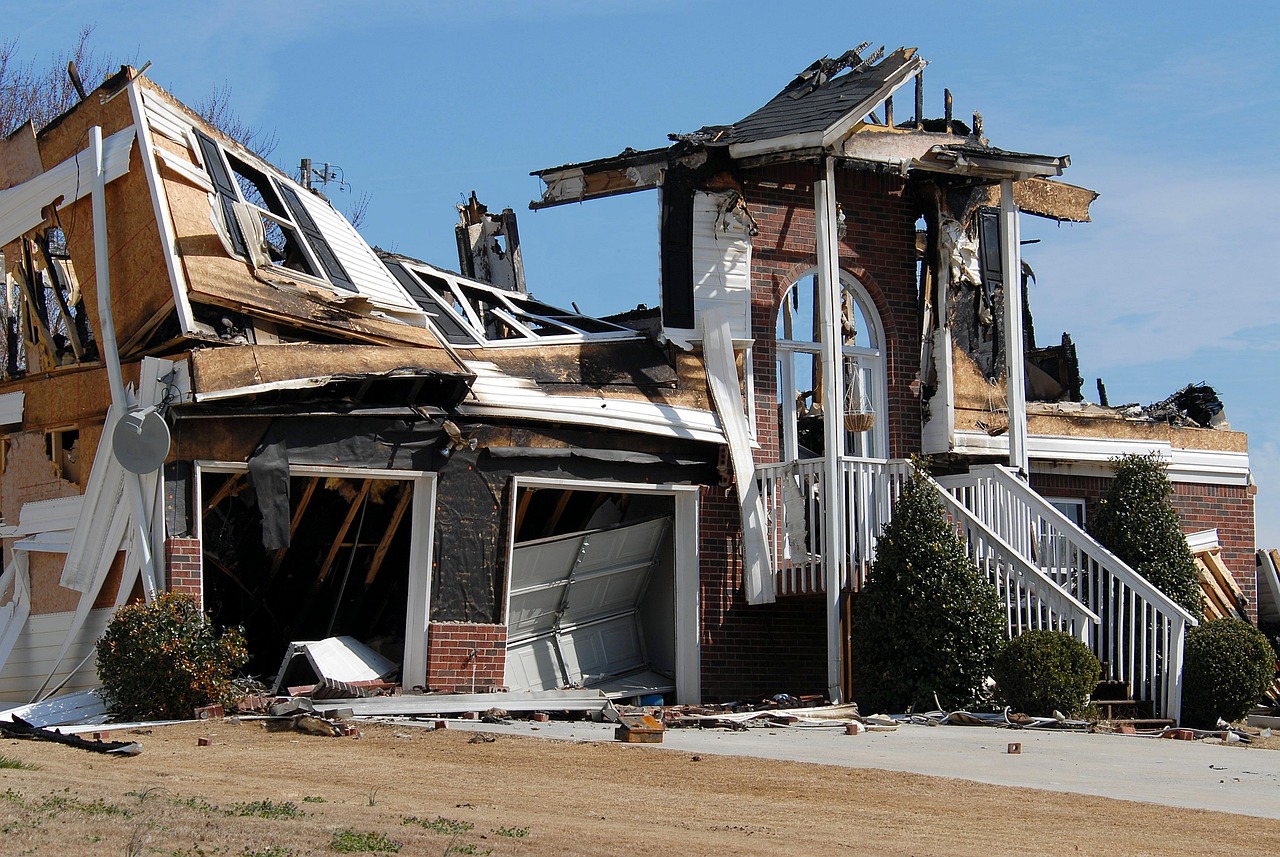
The damage from fire and smoke can leave persistent, unpleasant odors that linger in affected structures. Identifying the root causes of these smells is an important first step in overcoming them naturally. The process begins with understanding where the smoke came from and how it interacted with different materials. Different materials in a home, like wood, drywall, and insulation, absorb and release odors at varying rates.
In Virginia, restoring after a fire and the damage incident requires careful consideration. Local restoration companies like Albany Fire Restoration Inc. Specialize in these complex scenarios. They employ restoration experts who assess the scope of the damage, pinpoint the sources of smoke, and determine the best course of action. This may involve specialized cleaning techniques, air purification, or even replacing affected materials. The goal is not just to eliminate odors but to restore the property to its pre-damaged condition. According to a 2020 study by the National Fire Protection Association, nearly 70% of home fires involve the damage, underscoring the need for effective, natural solutions.
The sources of the damage from fire and smoke can be multifaceted. They include charred materials, burned grease, and residue from flammable liquids. These substances release volatile organic compounds (VOCs) that can linger in the air and adhere to surfaces. In VA, where the climate varies, the challenge is exacerbated by temperature and humidity fluctuations, which can slow down the natural breakdown of these compounds. Property Restoration of the Capital Region offers insights into effective, natural remediation methods. They recommend using activated carbon filters to trap VOCs, employing enzymes to break down organic matter, and using essential oils to mask lingering odors. These methods not only address the symptoms of the damage but also promote a healthier indoor environment.
To minimize the impact of the damage naturally, prompt action is important. The first 24-48 hours are critical for minimizing odor retention. This includes opening windows and doors to facilitate air exchange, using fans to accelerate ventilation, and documenting the damage for insurance purposes. Community organizations and local fire departments often provide resources and support during these times. By understanding the root causes and employing natural solutions, homeowners in VA can effectively overcome persistent smoke smells and restore their homes to a safe, comfortable state.
Natural Air Purifiers: Useing Nature's Power

The lingering scent of smoke can be a persistent problem, disrupting lives and businesses alike. While many rely on artificial air purifiers, there's a growing trend towards useing nature's power for the damage removal. This approach, often called natural air purification, offers an unique and environmentally friendly solution. Plants, for instance, have long been known to filter indoor air, absorbing volatile organic compounds (VOCs) and releasing oxygen. A NASA study from 1989 even found that certain plants like the spider plant and peace lily could effectively remove formaldehyde and benzene from the air.
Beyond plants, natural air purification techniques span a range of strategies. Some involve the strategic placement of air-purifying materials like activated carbon or zeolite, which have a high affinity for trapping odors and chemicals. For businesses, this can mean using advanced tech like advanced air filtration systems or ionizers to supplement natural methods. Property Restoration of the Capital Region, a local restoration company, has seen success integrating natural air purifiers into their the damage restoration process, enhancing the overall efficiency and effectiveness of their services.
While technology plays a role, the foundation of natural the damage removal remains the restoration of peace of mind. By embracing these eco-friendly solutions, homeowners and businesses can achieve a cleaner, healthier environment without relying heavily on artificial products. This not only supports a sustainable lifestyle but also contributes to a better understanding of how we interact with our surroundings. A study published in the Journal of Environmental Science and Health in 2016 found that natural air purification methods can significantly reduce levels of common air pollutants, offering tangible benefits for public health.
Effective Ventilation: Letting Smoke Out, Fresh Air In

Effective ventilation is a critical step in overcoming persistent smoke smells, especially after fire and the damage in Central Virginia. The goal is to let the smoke out and let fresh air in, which can be a challenging task given the stubborn odors that linger. Restoration experts from Property Restoration of the Capital Region recommend a multi-step approach to ensure complete removal of these unwanted scents.
First, open all windows and doors to create a cross-breeze, promoting air circulation and speeding up the evaporation of smoke particles. This initial step alone can make a noticeable difference, but it's just the beginning. For more severe cases, consider using fans to create a stronger flow of fresh air. Box fans or ceiling fans strategically placed in affected areas can significantly enhance ventilation, pushing out stale air and drawing in cleaner alternatives.
Professional cleaners often employ the use of air purifiers, which filter out fine particles and odors. These devices are particularly effective in enclosed spaces, trapping smoke-related compounds and allowing for a more controlled restoration process. A study by the American Lung Association found that air purifiers can reduce indoor air pollution by up to 99%, providing a more comfortable and healthier environment. Once the active ventilation process is complete, a deep cleaning with specialized products can target any remaining the damage naturally, ensuring a complete and safe recovery.
Smoke-Absorbing Materials: Natural Solutions for Deodorization
Dealing with persistent smoke smells requires a strategic approach, especially when aiming for natural solutions. Natural materials can effectively absorb and eliminate odors caused by the damage naturally, offering a non-toxic alternative to commercial deodorizers. This method is particularly relevant for homes in areas like Richmond, where local communities prioritize eco-friendly solutions.
One of the most popular natural smoke-absorbing materials is activated charcoal. Known for its exceptional adsorbent properties, charcoal can draw out and capture odor molecules. A study by the Journal of Environmental Science and Engineering found that activated charcoal filters significantly reduced smoke and odor levels in indoor spaces. Local restoration companies in the Capital Region, like Property Restoration of the Capital Region, often incorporate charcoal-based products during their the damage restoration processes. These products are strategically placed in affected areas to absorb lingering smoke odors.
In addition to charcoal, certain natural fabrics and fibers exhibit remarkable odor-fighting capabilities. Materials like lavender, cedar, and eucalyptus have long been used for their aromatic and deodorizing qualities. For smoke removal, these natural fabrics can be used as air fresheners or incorporated into bedding and upholstery. A small sachet filled with dried lavender can be placed in closets or drawers to absorb and neutralize smoke smells over time. This simple, by-trusted-locals technique is an effective way to refresh spaces affected by the damage naturally.
Beyond these immediate solutions, addressing the damage naturally involves a complete approach. Proper ventilation and the use of air purifiers are important in conjunction with natural deodorizers. Local fire departments and community organizations often emphasize the importance of these measures to ensure the health and safety of residents. By combining natural materials with efficient air circulation, you can accelerate the process of eliminating persistent smoke odors, creating a healthier living environment.
Long-Term Strategies: Preventing Future Smoke Intrusion
Persistent smoke smells from fire and the damage can be challenging to overcome, but there are long-term strategies to prevent future intrusion. In the aftermath of a fire or smoke incident, the Richmond area is fortunate to have trained technicians and specialized restoration companies like Property Restoration of the Capital Region who focus on not just cleaning and repairing, but also mitigating future risks. These experts understand that the damage isn't just about removing odors—it's about addressing the root causes and implementing solutions that ensure the home remains free from unwanted smoke.
One effective strategy involves improving ventilation and air circulation. Regularly opening windows and using fans can help disperse lingering smoke odors. A study by the American Lung Association found that proper ventilation can reduce the concentration of harmful pollutants in the air by up to 80%. However, this is only a temporary solution. To fully recover from the damage naturally, it's important to seal gaps and cracks around doors and windows, ensuring a tighter seal against the elements and unwanted air. This prevents new smoke from infiltrating the home and reinforces the structural integrity.
Another key approach is to address any issues with the heating and cooling system. Over time, smoke particles can accumulate on filters, coils, and ductwork, leading to persistent odors. Regular maintenance and replacement of these components, as recommended by HVAC professionals, can significantly reduce the chances of the damage recurring. For fire and the damage specifically, it's recommended to consult with restoration experts who can provide detailed advice tailored to the extent of the damage. They might suggest decontaminating affected areas with specialized equipment, such as air scrubbers and negative air machines, to eliminate odors and ensure a safe living environment.
Lastly, it's important to remember that prevention is key. Regularly testing smoke alarms and implementing fire safety measures, such as installing fire extinguishers and developing an escape plan, can significantly reduce the impact and likelihood of future the damage. By combining these strategies, homeowners in the Richmond area can mitigate risks and ensure their homes remain protected from the persistent effects of fire and smoke.
Frequently Asked Questions About Overcoming Persistent Smoke Smells Naturally
What causes persistent smoke smells?
Persistent smoke odors are often caused by the lingering presence of fine particulate matter, known as smoke particles, in the air and on surfaces. These particles can come from various sources, such as wildfires, cigarette smoke, or burnt food. Once deposited on surfaces like walls, ceilings, and furniture, the particles can slowly release volatile organic compounds (VOCs), which create the characteristic smoky scent.
How long do smoke smells typically last?
The duration of smoke smells can vary greatly. In ideal conditions with good ventilation and thorough cleaning, odors may dissipate within a week. However, in enclosed spaces or areas with porous materials (like wood or carpet), smells can linger for months, sometimes even longer than a year, requiring more intensive remediation techniques.
Can I just use an air purifier to get rid of the smell?
While air purifiers are effective at removing airborne particles, they may not eliminate the deeper, embedded odors. Air purifiers primarily filter out large particles and some VOCs, but they don't have the capacity to chemically break down the compounds responsible for persistent smells. For deeper cleaning, natural methods that target the source and affected surfaces are usually more effective.
What are some natural remedies for removing smoke smells?
Several natural remedies can help. Baking soda and vinegar are popular choices for their ability to absorb odors. Sprinkling baking soda on affected areas, letting it sit, and then vacuuming it up can neutralize smells. White vinegar can be used to clean surfaces and also acts as a natural deodorizer. Other methods include using essential oils (like lemon or tea tree oil) in diffusers, or planting air-purifying plants like spider plants or peace lilies.
Should I call a professional if natural methods don't work?
If the smoke smell persists after trying multiple natural methods, it might be time to consult a professional. Persistent odors can indicate issues like mold growth or structural damage, which require the expertise of a contractor or remediation specialist. They can assess the situation, identify the root cause, and implement the most effective solutions, which may include specialized cleaning techniques or even structural repairs.
Are there any DIY solutions that can be particularly effective?
One effective DIY solution involves creating a mixture of 1 part vinegar and 1 part water, then using a clean cloth to apply it to surfaces. This mixture can help to break down and remove odor-causing compounds. Sunlight can accelerate the process of odor removal. Open windows and doors to let sunlight into the affected areas, as UV light has natural antibacterial and deodorizing properties.
What if I have a fire-damaged house? Are there special considerations?
In cases of severe the damage, from fires or other sources, it's important to consult with a professional restoration service. They have specialized equipment and knowledge to safely remove hazardous materials, like asbestos or lead, and restore the property to a livable condition. Proper cleanup and remediation after a fire are essential for both health and structural safety.
overcoming persistent smoke smells requires a multi-pronged approach that uses natural methods alongside strategic interventions. By identifying the root causes of the damage, we can target specific sources effectively. Using natural air purifiers, such as houseplants and essential oils, complements mechanical ventilation systems to improve air quality. Employing smoke-absorbing materials like charcoal and certain fabrics can deodorize affected spaces over time. Preventative measures, such as proper ventilation, regular maintenance, and proactive protection against future smoke intrusion, are essential to avoid repeated damage. Embracing these natural solutions, combined with expert restoration services when needed, can restore homes and ensure a healthier environment, as demonstrated by the work of reputable companies like Albany Fire Restoration Inc. And local community-driven fire safety advocates.
The damage Restoration: Natural Solutions for Persistent Odors
- Identify Root Causes: Understand how materials interact with smoke for effective odor removal.
- Local Expertise: Restoration companies like Albany Fire Restoration Inc. And Property Restoration of the Capital Region specialize in the damage, offering specialized cleaning, air purification, and material replacement.
- Natural Air Purification: Plants, activated carbon, and zeolite are eco-friendly tools for the damage naturally. They absorb VOCs and improve air quality, as backed by studies from NASA and the Journal of Environmental Science and Health.
- Ventilation Strategies: Open windows, use fans, and employ air purifiers for complete odor removal, as recommended by Property Restoration.
- Complete Approach: Combine natural materials, proper ventilation, and professional techniques for best the damage removal naturally.
- Prevention: Seal gaps, maintain HVAC systems, and implement fire safety measures to prevent future the damage.