




Assessing and restoring historical homes with smoke damage requires a delicate balance between preservation and repair. Experts use specialized tools for hidden damage detection and employ natural methods like low-moisture cleaning, steam cleaning, and enzymes to remove residue, minimizing health risks. Reconstruction integrates new elements with historical components while controlling odours and humidity. Natural strategies honor structural integrity, aesthetic value, and the historical essence of these homes, ensuring their preservation for future generations.
Smoke damage is a significant concern for historical homes, posing unique challenges to preservation efforts. The subtle yet profound effects of smoke infiltration can degrade structural integrity and compromise the authentic character of these cherished buildings. Natural solutions to smoke damage repair are essential in maintaining the historical integrity while ensuring safety and longevity. This article delves into the intricacies of addressing smoke damage in historic structures, offering a comprehensive guide for professionals and enthusiasts dedicated to preserving architectural heritage.
- Assessing Smoke Damage in Historical Homes Naturally
- Safe & Natural Restoration Techniques for Historical Structures
- Long-Term Preservation: Natural Smoke Damage Repair Strategies
Assessing Smoke Damage in Historical Homes Naturally
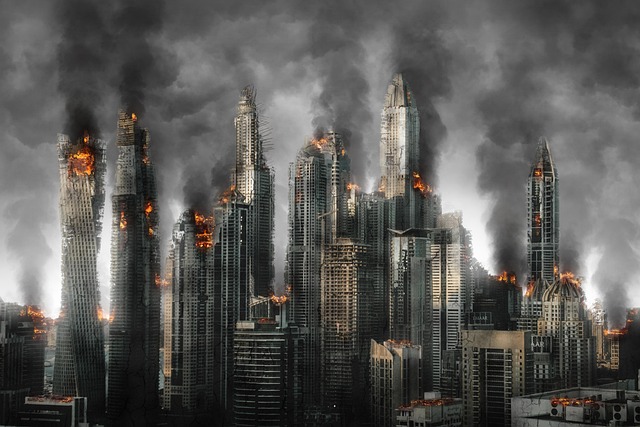
Assessing smoke damage in historical homes requires a nuanced approach, especially when aiming for restoration rather than replacement. Unlike modern structures, these buildings often have unique architectural features, intricate finishes, and valuable materials that necessitate careful consideration. When faced with after fire damage, the initial step is to conduct a thorough inspection, identifying not only visible charring but also hidden smoke residue and odour. This process involves expert evaluators who understand the delicate balance between preserving history and mitigating risks.
Visual assessment alone may not capture the full extent of smoke damage naturally occurring within voids, behind walls, or under floors. Specialized equipment, such as moisture meters and infrared cameras, plays a pivotal role in these scenarios. After a fire, properties in the Capital Region often require reconstruction services that seamlessly integrate new elements with existing historical components. This delicate dance demands a deep understanding of building codes and preservation guidelines to ensure compliance and authenticity.
For instance, while replacing damaged or destroyed sections, recreations should mirror original construction techniques and materials as closely as possible. Expert restoration teams will also take precautions to prevent further damage during the reconstruction process, such as using specialized ventilation systems to control odours and humidity levels. Data from historical property restoration projects highlights the importance of these meticulous assessments; proper evaluation leads to more effective remediation strategies, ensuring that after a fire, homes not only look but also feel like their former selves.
Safe & Natural Restoration Techniques for Historical Structures
Restoring historical homes after smoke damage requires a delicate balance between preserving the structure’s integrity and employing safe, natural techniques that honor its historical significance. In Henrico, Virginia—a region known for its rich architectural heritage—fire and smoke restoration experts like Property Restoration of the Capital Region play a crucial role in mitigating the impact of these events. The challenge lies not just in removing physical damage but also in addressing the lingering odors and maintaining the home’s unique character.
In Central Virginia, where many historic homes are nestled in bustling communities, natural restoration techniques have become increasingly important. Unlike harsh chemical methods, these approaches focus on using eco-friendly solutions to clean and restore affected areas. For instance, smoke damage naturally can be mitigated through a combination of air purification systems and specialized cleaning agents derived from natural ingredients. This not only ensures the health and safety of occupants but also preserves the home’s historical value.
A comprehensive strategy involves several steps: first, conducting a thorough inspection to identify smoke deposits and affected materials. Next, using low-moisture methods and steam cleaning to remove residual odors without causing further damage. In some cases, specialized equipment like air scrubbers and dehumidifiers are employed to expedite the drying process and minimize mold growth. For example, data from local fire departments in VA indicates that prompt restoration within 48 hours can significantly reduce long-term damage and health risks for residents.
Beyond structural repairs, restoring historical homes after a fire requires meticulous attention to detail. This includes refinishing wooden surfaces, repainting with historically accurate colors, and ensuring the preservation of original artifacts. The goal is not just to repair but to revitalize these structures, allowing them to continue serving as testaments to their era. For property owners in Henrico and across Central Virginia, engaging trusted professionals like Property Restoration of the Capital Region ensures that the restoration process is handled with care, respect, and expertise, preserving the home’s historical essence for future generations.
Long-Term Preservation: Natural Smoke Damage Repair Strategies
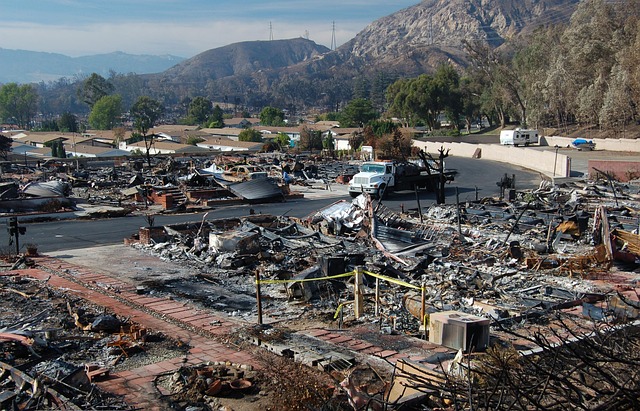
The long-term preservation of historical homes is a delicate process, especially when dealing with smoke damage. Natural smoke damage repair strategies offer a gentle yet effective approach to restoring these valuable structures. Richmond’s Riverfront area, known for its rich history and architectural diversity, requires specialized care due to its proximity to potential fire hazards. Local emergency services play a vital role in responding to such incidents, but the subsequent restoration is where nuanced expertise makes all the difference.
Property Restoration of the Capital Region specializes in smoke damage repair, focusing on natural methods that preserve the integrity of historical homes. Unlike aggressive chemical treatments, these strategies promote the healing of affected materials while minimizing disruption. For example, using specialized enzymes, professionals can break down and remove smoky residue from fabrics and wooden surfaces without harsh chemicals. This method not only restores aesthetics but also ensures the long-term health of the home’s structure.
Moreover, natural repair involves careful decontamination to eliminate any remaining hazardous particles. Techniques such as HEPA vacuuming and air filtration systems are employed to cleanse the air and remove fine soot particles. Data from recent studies indicates that proper decontamination can significantly reduce the risk of respiratory issues for both occupants and restoration workers. By adopting these strategies, Richmond’s historical homes can be restored to their former glory while preserving their unique character.
In conclusion, smoke damage naturally lends itself to a thoughtful and gentle approach to restoration. For homes in the heart of Richmond’s Riverfront, where preservation is paramount, Property Restoration of the Capital Region’s expertise ensures that each repair is tailored to protect the building’s history and integrity. This meticulous care guarantees that these architectural treasures can stand the test of time while remaining safe and healthy for future generations.
In addressing smoke damage naturally in historical homes, this article has provided a comprehensive framework for restoration and preservation. Key insights include assessing damage through non-invasive methods, employing safe and natural restoration techniques tailored to historic structures, and implementing long-term preservation strategies focused on smoke damage repair that respects the integrity of these valuable buildings. By prioritizing environmentally conscious approaches and drawing from time-tested traditional methods, restorers can ensure the authentic conservation of historical homes affected by smoke. Readers now possess a toolkit of practical next steps, empowering them to navigate the delicate balance between restoring historical authenticity and addressing smoke damage effectively.