Smoke damage from fires can devastate businesses, disrupting operations and posing significant insurance claims. The immediate challenge lies in effective emergency smoke removal to mitigate further loss and accelerate recovery. This article examines into the important steps and services required to address smoke damage, focusing on efficient restoration for businesses. We'll explore the role of local restoration companies, emergency services, and home insurance providers in this process, like Albany Fire Restoration Inc. Understanding the importance of specialized cleaning and restoration, insurance and claims handling, and community support and prevention strategies is key to minimizing the damage's impact.
- Assessing The damage: What to Look For
- Natural Smoke Removal: Safe and Effective Methods
- Post-Fire Cleanup: Step-by-Step Guide for Businesses
- Preventing Smoke Recur: Long-Term Strategies for Businesses
- Legal and Insurance Aspects of The damage Restoration
Assessing Smoke Damage: What to Look For
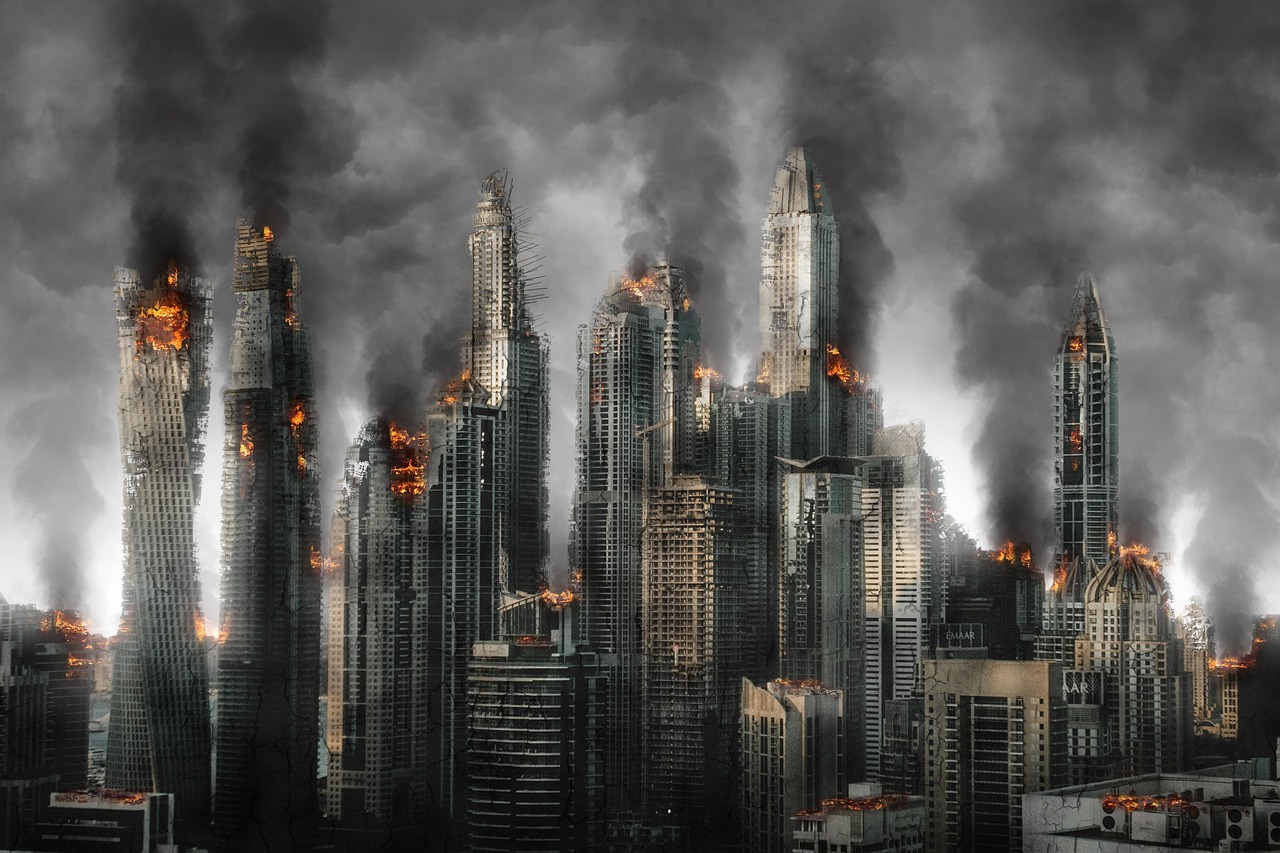
When assessing the damage, especially in the aftermath of fire damage, a thorough understanding of what to look for is important for businesses in Central Virginia aiming to restore their operations swiftly and effectively. In Henrico County, local fire restoration services like Albany Fire Restoration Inc. Play a vital role in this process. Smoke leaves a complex trail of impacts, both visible and invisible, requiring a nuanced approach to mitigation.
Beyond the obvious physical debris and charred remains, the damage can manifest in subtle yet significant ways. Smoke residues can adhere to surfaces, leaving behind a dull, discolored finish that requires specialized cleaning. Even after visible signs of fire are gone, the acrid smell of smoke can linger for weeks, affecting indoor air quality and employee well-being. Restoration experts often use advanced tools and techniques to detect these residual effects, such as air quality testing and infrared scanning. According to a 2020 study by the National Fire Protection Association, over 70% of fire survivors reported lingering smoke odors, emphasizing the need for thorough assessment and remediation.
Another critical aspect to consider is the type of material affected. Different materials, like wood, drywall, or insulation, react differently to smoke exposure. Smoke can cause wood to become brittle and shrink, necessitating replacement rather than mere cleaning. Property Restoration of the Capital Region offers detailed assessments to identify these material-specific impacts, ensuring that restoration efforts are tailored accordingly. By understanding these subtleties, businesses can work with reputable restoration companies to develop comprehensive plans, minimizing downtime and maximizing the preservation of their assets.
Natural Smoke Removal: Safe and Effective Methods
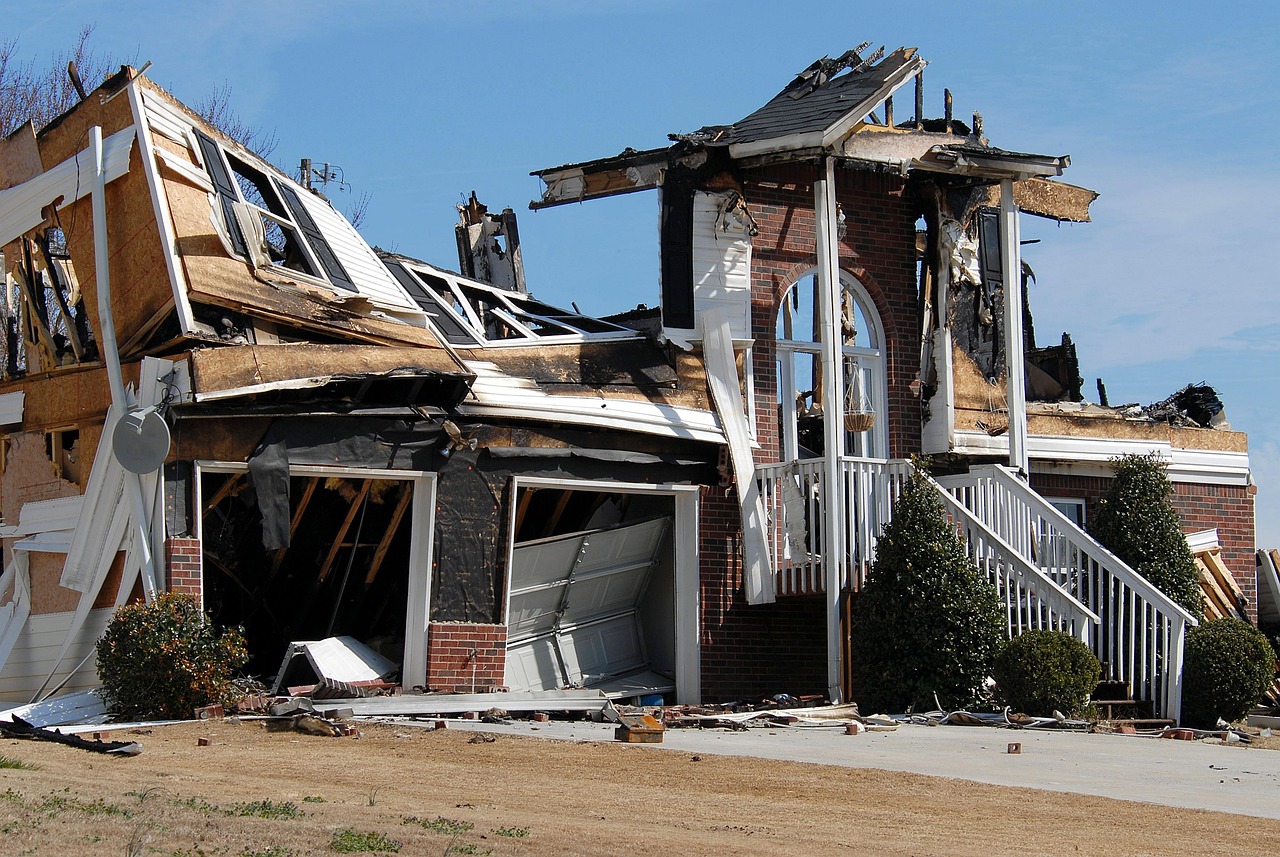
The aftermath of a smoke-filled business premises can be a complex challenge, but natural smoke removal offers a safe and effective solution for Central Virginia businesses. Unlike chemical-based methods, which can leave residues and necessitate lengthy ventilation periods, natural removal techniques focus on extracting the smoke odor and particulate matter without introducing new contaminants. This is particularly important in close quarters like commercial spaces, where air quality is critical for employee health and productivity.
Licensed experts in the damage restoration employ specialized equipment to safely and efficiently extract the smoke from affected areas. High-efficiency particulate air (HEPA) filters, when used in conjunction with negative air pressure, can trap microscopic smoke particles, preventing their re-circulation in the workspace. This method, favored by professionals, ensures a faster and healthier recovery than traditional cleaning alone. A study by the Environmental Protection Agency (EPA) found that HEPA filters can remove up to 99.97% of airborne particles as small as 0.3 microns, making them a powerful tool for the damage naturally.
In the case of severe the damage, the services of a reputable firm like Property Restoration of the Capital Region can be invaluable. Their restoration experts utilize advanced drying and deodorization techniques to mitigate the effects of smoke. The use of ozone generators, which produce a powerful oxidizer to break down smoke compounds, can significantly reduce odor without the need for harsh chemicals. This complete approach, combining physical removal of debris and odor neutralization, ensures a thorough and lasting solution. By enlisting the help of by licensed experts, businesses can trust that their smoke removal process is not only safe but also in line with industry best practices.
Post-Fire Cleanup: Step-by-Step Guide for Businesses
After a fire, businesses face not only the devastation but also the complex task of post-fire cleanup. This process requires a systematic approach to mitigate the damage and restore operations as quickly as possible. Located in Greater Richmond, businesses have access to expert advice and fast response times from local restoration companies.
The first step is to ensure the safety of employees and customers by evacuating the premises and preventing entry until professional help arrives. Once the immediate danger has passed, the cleanup begins. It's important to document the extent of the damage through photos and notes. This detailed record will be invaluable for insurance claims and future restoration reference. A 2018 study by the National Fire Protection Association (NFPA) revealed that 37% of businesses affected by a fire do not reopen within a year, emphasizing the need for prompt and thorough cleanup.
Professional cleaners and restoration experts should be engaged to handle the decontamination process. They employ specialized equipment to remove smoke residue from surfaces, air out the building, and deodorize affected areas. Restoration companies, like Albany Fire Restoration Inc., follow a meticulous process that includes:
- Initial Assessment: Inspecting the property to determine the extent of the damage, identifying affected materials, and planning the cleanup strategy.
- Content Cleaning: Safely removing contaminated personal belongings and business records for off-site cleaning.
- Structural Restoration: Repairing or replacing damaged structural components, such as drywall, flooring, and electrical systems.
- Air Quality Improvement: Using air purifiers and dehumidifiers to restore indoor air quality, ensuring a healthy work environment.
Property Restoration of the Capital Region recommends businesses create a restoration plan as part of their emergency preparedness. This proactive approach involves regular training for staff, testing smoke detectors, and keeping emergency contact numbers readily available. By preparing in advance, businesses can minimize the damage and ensure faster recovery times after a fire incident.
Preventing Smoke Recur: Long-Term Strategies for Businesses
Businesses facing the damage from a fire need more than immediate cleanup; they require a strategic, long-term approach to prevent recurring smoke issues. In the aftermath of a fire, such as those requiring Henrico County or Short Pump fire recovery solutions, the last thing business owners want is for the smoke to linger, causing further damage and health risks. According to a 2020 study by the National Fire Protection Association (NFPA), the damage is a leading secondary hazard in commercial fires, often surpassing the initial fire damage in cost.
A comprehensive restoration strategy should begin with a thorough inspection and assessment by local fire restoration experts. Albany Fire Restoration Inc. In the Capital Region offers detailed post-fire analyses to identify the extent of smoke intrusion and its potential impact on structures and contents. This initial step is important, as it guides the restoration process and ensures that every aspect of the damage is addressed. Professional cleaners and restoration experts then employ specialized techniques to remove smoke residue, odors, and contaminants from surfaces, HVAC systems, and other affected areas. This process may involve advanced equipment, such as air scrubbers and HEPA vacuums, to effectively mitigate health risks associated with smoke exposure.
Beyond immediate cleanup, businesses should invest in prevention. This includes installing smoke barriers, improving ventilation, and implementing regular maintenance programs. Regular cleaning and replacement of air filters can significantly reduce the buildup of smoke-related deposits in HVAC systems. Property Restoration of the Capital Region recommends that businesses, especially those in high-risk areas, consult with insurance adjusters and property appraisers to ensure their policies cover comprehensive fire and the damage restoration. By taking these proactive measures, businesses can minimize the likelihood of future the damage and protect their assets and reputation.
Legal and Insurance Aspects of Smoke Damage Restoration
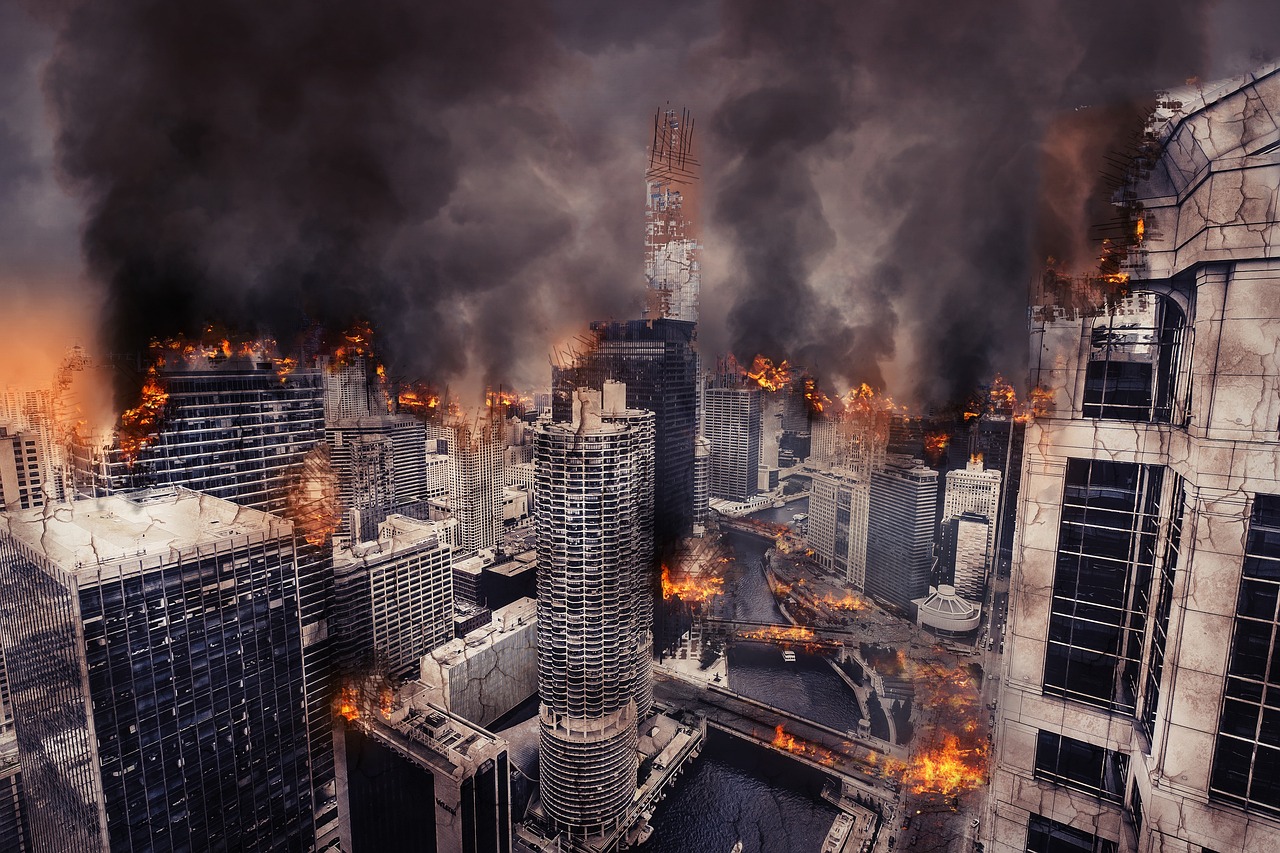
The damage from a fire can devastate businesses, disrupting operations and causing significant financial losses. When addressing the damage near Short Pump, VA, or anywhere in Virginia, swift action is important. The legal and insurance aspects of the damage restoration are complex and require professional guidance. Property Restoration of the Capital Region, for instance, specializes in emergency services and has helped numerous businesses recover from smoke-related disasters.
In the aftermath of a fire, businesses must handle a series of legal and insurance requirements to ensure a thorough and compliant restoration. The first step is to document the damage thoroughly, including taking photos and videos of affected areas. This evidence is critical for insurance claims and legal proceedings. According to a 2020 study by the National Fire Protection Association (NFPA), property loss from fires averages over $10 billion annually in the U.S., with the damage being a significant component. Local Restoration Companies and Emergency Services in Virginia emphasize the importance of immediate action, as quick response times can minimize the extent of the damage.
Insurance providers, such as major home insurance companies, offer coverage for the damage but require detailed documentation and professional restoration services. The process involves several steps, including filing a claim with your insurance company, engaging the services of a qualified restoration expert, and ensuring that the restoration company is reputable and adheres to industry standards. Restoration Companies near Short Pump fire recovery solutions often collaborate with Property Insurance Adjusters to ensure claims are processed accurately and efficiently. A trusted restoration expert, like Albany Fire Restoration Inc., can provide a detailed scope of work and cost estimate, which is essential for both the business owner and the insurance company.
Businesses should also be aware of their legal obligations and rights. In Virginia, local fire departments and community organizations offer resources and support for fire recovery, including guidance on insurance claims and legal protections. Fire Safety Advocates emphasize the importance of regular fire safety inspections and well-maintained smoke alarms to prevent and mitigate the damage. By understanding the legal and insurance aspects of the damage restoration, businesses can better protect their assets and ensure a smoother recovery process.
Frequently Asked Questions About Emergency Smoke Removal for Businesses
What happens after a smoke event in a commercial space?
After a smoke event, the first step is to assess the extent of the damage. A professional fire restoration service will contain and remove smoke, ensuring the safe disposal of contaminated materials. They'll use specialized equipment to clean air ducts, walls, ceilings, and other surfaces. The process involves decontaminating surfaces with chemicals to neutralize any harmful residues left behind by the fire. A 2019 study by the National Fire Protection Association (NFPA) found that prompt professional intervention can significantly reduce the cost of the damage restoration, with quicker response times leading to less extensive repairs.
Who should I call for smoke removal from my business?
Contact a licensed and insured fire restoration company. These specialists have the training and equipment to handle the situation effectively. They'll assess the damage, create a restoration plan, and begin the cleanup process. A reputable company like Servpro has been serving businesses nationwide, with a team of certified specialists who understand the complexities of smoke restoration.
How long does the smoke removal process typically take?
The duration depends on the size and severity of the damage. Minor incidents might take a few days, while larger commercial spaces could require weeks. The process involves multiple steps: assessment, containment, decontamination, cleaning, and restoration. Each step must be thoroughly completed to ensure the safety and health of employees and customers.
Can I do emergency smoke removal myself?
While DIY efforts are appreciated in many situations, smoke removal after a fire is best left to professionals. The process involves handling hazardous materials and sophisticated equipment. Improper cleaning can lead to further contamination and health risks. A professional service will follow strict protocols and use specialized gear, minimizing the risk of recontamination.
What if my business insurance doesn't cover the damage?
Business insurance policies vary regarding the damage coverage. Some policies may exclude it, especially if the cause of the fire is not covered. It's important to review your policy or contact your insurance provider to understand your specific coverage. In the meantime, immediate action to contain and remove smoke is essential to mitigate further losses.
Are there any health risks associated with residual smoke?
Yes, residual smoke can pose significant health risks. It contains a variety of toxic chemicals, including carbon monoxide and volatile organic compounds (VOCs). Exposure to these substances can lead to respiratory issues, eye irritation, and other health problems. That's why professional decontamination is essential to ensure a safe work environment.
The damage can significantly impact businesses, but understanding natural removal methods and long-term prevention strategies is key to minimizing the aftermath. Assessing the extent of the damage is important; look for discoloration, odor, and residue as telltale signs. After a fire, a meticulous post-fire cleanup is essential—a step-by-step process that involves removing charred materials, decontaminating surfaces, and restoring ventilation systems.
The most effective natural smoke removal techniques include air purification, using dehumidifiers, and employing specialized cleaning solutions recommended by restoration experts. These methods not only eliminate visible residue but also combat the lingering, unpleasant odors associated with the damage. Preventing future occurrences involves implementing fire safety protocols, regular system maintenance, and training employees on evacuation procedures.
When dealing with the damage, businesses should partner with reputable local restoration companies and emergency services. These professionals can provide expert advice, handle insurance claims, and ensure the property is restored to its pre-loss condition. Insurance adjusters, property appraisers, and restoration firms play a collaborative role in managing the process, while community organizations and fire safety advocates offer important support and resources.
By embracing these practical steps and leveraging professional resources, businesses can handle the complexities of the damage, ensuring a swift return to operations while maintaining a safe and healthy work environment. This strategic approach not only mitigates financial losses but also demonstrates a commitment to long-term resilience and community well-being.
The damage Restoration: A Practical guide for Virginia Businesses
- Identify Invisible Impacts: Beyond visible debris, smoke residues can leave behind subtle but significant effects, such as discolored surfaces and lingering odors, requiring specialized cleaning and testing.
- Advanced Restoration Techniques: Professionals use HEPA filters, ozone generators, and infrared scanning to extract smoke odor and particulate matter, ensuring a faster and healthier recovery than traditional cleaning.
- Material-Specific Assessment: Different materials react differently to smoke; restoration experts identify these impacts to tailor restoration efforts, minimizing downtime and preserving assets.
- Legal and Insurance Navigations: Document damage thoroughly, engage reputable restoration companies, and understand legal obligations and insurance coverage to ensure a compliant and efficient recovery process.