
Smoke damage naturally requires professional assessment and remediation for apartment restoration after a fire. Experts inspect visible and hidden impacts, develop detailed plans using advanced equipment, and safely remove contents. Initial steps involve soot removal, surface cleaning, priming, and repainting. Structural integrity assessment is crucial, focusing on replacing damaged parts, reinforcing structures, and installing specialized ventilation with HEPA filtration systems. Post-fire smoke damage mitigation involves removing harmful residues using natural chemicals, HEPA filters, and dehumidifiers to ensure safe indoor air quality. Quick response times within 24-48 hours are vital for minimizing damage and simplifying restoration.
Smoke damage naturally occurs in apartment settings, whether from kitchen fires, electrical malfunctions, or other incidents. The impact can be severe, affecting not just the visible charred surfaces but also hiding deeper issues like structural damage and hazardous remnants of smoke. Effective fire and smoke damage repair is crucial for restoring apartments to their pre-incident condition, ensuring tenant safety, and preserving property value. This article delves into the comprehensive steps involved in addressing smoke damage, from assessment and removal to restoration and prevention, providing apartment owners and managers with an authoritative guide for successful recovery.
- Assessing Fire & Smoke Damage: Initial Inspection
- Safe Removal: Content Salvaging Strategies
- Restoring Surfaces: Addressing Smoke Discoloration
- Structural Integrity: Repairs and Reinforcements
- Air Quality: Mitigating Health Risks Post-Fire
Assessing Fire & Smoke Damage: Initial Inspection
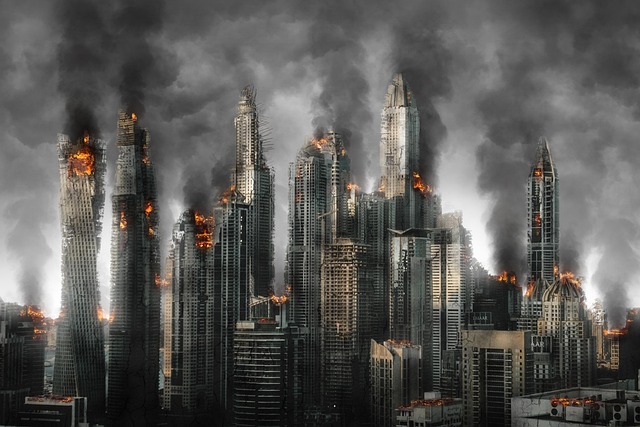
Assessing fire and smoke damage is a critical step in the restoration process for any apartment. In Henrico, Virginia, or Chesterfield County, professional cleaning services specializing in fire and smoke restoration are crucial to ensuring a safe and healthy living environment. The initial inspection should be thorough and comprehensive, considering both visible and hidden impacts of smoke damage naturally. This involves examining every nook and cranny, from walls and ceilings to floorings and personal belongings.
During the inspection, experts will look for signs of combustion, including charred materials, melted plastics, or discolored surfaces. They'll also assess the extent of smoke damage naturally, which can penetrate deep into building structures and affect insulation, drywall, and even HVAC systems. In many cases, smoke residue may not be immediately apparent, but professional restoration services like Property Restoration of the Capital Region are equipped to identify these hidden issues through advanced equipment and expertise.
Rapid response times are critical in mitigating smoke damage naturally. According to industry standards, it's recommended that cleanup and restoration begin within 24-48 hours after a fire incident. Services near you in VA can offer this fast response, ensuring that the apartment is not only safe for occupation but also minimizing long-term structural and health risks associated with prolonged exposure to smoke. A professional assessment will provide a detailed plan for remediation, restoring your apartment to its pre-fire condition efficiently and effectively.
Safe Removal: Content Salvaging Strategies
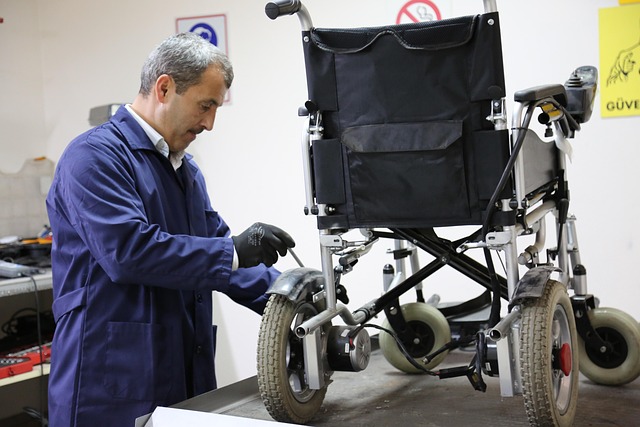
The safe removal of contents during fire and smoke damage repair is a critical step in the restoration process, especially for apartments. This involves meticulous strategies to salvage valuable items while ensuring the health and safety of residents and technicians. One of the most significant challenges in smoke damage natural resolution is the sensitive nature of various materials—from textiles to electronics.
Businesses seeking smoke removal tips should consider the unique needs of each item. For example, wooden furniture can often be restored by professional technicians who use specialized cleaning solutions to remove soot residue. In contrast, porous materials like carpets and upholstery require more extensive treatment due to their ability to absorb smoke particles. The Richmond area is home to numerous trained technicians who understand these nuances, leveraging advanced equipment and natural cleaning methods to mitigate damage effectively.
Local experts in the Capital Region's Property Restoration of the Capital Region emphasize the importance of proper ventilation during the cleanup process. Adequate air circulation helps eliminate lingering odors and prevents further contamination from settling dust. Additionally, they recommend implementing a systematic approach to sorting salvageable items. This includes categorizing contents based on material type, level of smoke damage, and potential for restoration. Such an organized strategy ensures that no valuable possessions are overlooked during the cleanup process.
It's crucial to act swiftly following a fire incident to minimize smoke damage. Prompt attention allows for better preservation of belongings and reduces the overall complexity of the restoration process. Property owners or managers should consult with trained technicians who can provide tailored smoke removal tips based on the extent of the damage, ensuring a thorough yet safe restoration of their apartments.
Restoring Surfaces: Addressing Smoke Discoloration
Smoke damage from a fire incident can leave surfaces discolored, leaving a lasting impact on apartments. This is especially true for areas like kitchen cabinets, walls, and ceilings, which are often among the most affected by smoke and soot. The challenge lies in restoring these surfaces to their original state, addressing not just the physical damage but also the lingering smells and discoloration caused by smoke.
After a fire or smoke incident, one of the initial steps is to assess the extent of the damage. This involves examining the type of materials impacted—wooden structures, drywall, paint, and furniture—as they all react differently to smoke exposure. Smoke damage naturally varies depending on factors like the heat intensity, duration of exposure, and ventilation during the fire event. Property Restoration of the Capital Region recommends documenting the affected areas with photos for tracking progress and insurance claims.
Addressing smoke discoloration requires a multi-step process. First, remove any visible soot or debris using a damp cloth or sponge to prevent further embedding. For surfaces like walls and ceilings, consider using a mild detergent or cleaning solution recommended by professionals. After cleaning, apply a coat of primer designed for smoke damage repair. This step helps neutralize the lingering smell and blocks the UV rays that can cause further discoloration. Finally, repaint with a fresh coat of paint, choosing colors that match the original aesthetic to restore the apartment's ambiance.
A recent study by the National Fire Protection Association (NFPA) revealed that almost 40% of U.S. home fires occur in apartments or multi-family dwellings. Prompt action after a smoke incident is crucial not only for structural restoration but also for mitigating health risks associated with prolonged exposure to smoke and soot. It's recommended to seek professional assistance for extensive damage, especially when dealing with difficult-to-reach areas or structures like wooden beams.
Structural Integrity: Repairs and Reinforcements

Structural integrity is a paramount concern following a fire outbreak in an apartment complex. The initial shock of a blaze can leave buildings severely damaged, both visibly and internally. Smoke damage, in particular, often goes beyond what meets the eye; it infiltrates walls, floors, and ceilings, leading to long-term structural instability if left unaddressed. After a fire event, assessing and restoring structural integrity is crucial for ensuring tenant safety and the longevity of the property.
Repairs and reinforcements are multifaceted processes that demand expert intervention. Professionals in smoke damage repair, like those at Property Restoration of the Capital Region, employ advanced techniques to mitigate further deterioration. This may involve replacing charred or weakened structural components, reinforcing beams, and installing specialized ventilation systems to eliminate lingering smoke odors. For instance, using high-quality materials and engineered solutions, they can strengthen fire-damaged floors, ensuring they meet safety standards and preventing future hazards.
The scope of work for smoke damage repair extends beyond visible repairs. Experts must also consider the environmental impact—the very air within the building could be contaminated with hazardous particles from burnt materials. Therefore, thorough smoke cleanup is essential before initiating structural repairs. This process involves advanced HEPA filtration systems to remove microscopic pollutants, ensuring a healthier indoor environment once reconstruction begins. By prioritizing both structural stability and air quality, property managers can foster an environment conducive to comprehensive rebuilding efforts.
Data suggests that prompt action in the aftermath of a fire outbreak significantly improves repair outcomes. Property Restoration of the Capital Region emphasizes quick response times, understanding that delayed interventions can exacerbate smoke damage. Their experienced teams are equipped to handle complex scenarios, offering tailored solutions for each unique situation. Whether reinforcing load-bearing walls or implementing advanced air purification techniques, their expertise ensures apartments not only look but also feel like new after a traumatic event.
Air Quality: Mitigating Health Risks Post-Fire

Post-fire, air quality is a critical concern for apartment residents and owners alike. Smoke damage naturally occurs during fires, leaving behind harmful residues that can pose significant health risks. According to the Environmental Protection Agency (EPA), even low levels of smoke exposure can lead to respiratory issues, eye irritation, and other adverse health effects, especially for vulnerable populations such as children, the elderly, and individuals with pre-existing conditions.
In Henrico County, expertly restoring homes from fire damage is a specialized task that requires extensive knowledge and experience. Licensed experts in reconstruction services play a vital role in mitigating these risks by implementing thorough cleaning protocols specific to smoke damage. They use advanced equipment and techniques to remove contaminated air, surfaces, and materials, ensuring the restoration of safe indoor air quality. This meticulous process involves the use of high-efficiency particulate air (HEPA) filters, dehumidifiers, and specialized chemicals that break down smoke compounds naturally.
Property Restoration of the Capital Region offers comprehensive reconstruction services tailored to meet the unique challenges of smoke damage. Our team of certified professionals understands the importance of addressing air quality concerns proactively. We work diligently to return affected apartments to a safe and healthy living environment, minimizing further exposure to harmful substances. Whether it's a minor kitchen fire or a more extensive blaze, our experts have seen it all and are equipped to handle any scale of smoke damage restoration in Henrico County.
Through a comprehensive exploration of fire and smoke damage repair for apartments, this article has provided invaluable insights into each critical phase of the restoration process. Key takeaways include the importance of a thorough initial inspection to assess the full extent of damage, safe removal techniques for salvaging valuable contents, and targeted strategies for addressing smoke discoloration on various surfaces. Structural integrity repairs and reinforcing measures are essential to ensure building safety, while prioritizing air quality mitigation to minimize health risks associated with smoke damage naturally. By following these practical guidelines, professionals and apartment owners alike can effectively navigate the aftermath of fire, fostering a safe and healthy living environment.