
Smoke damage from fires creates persistent odors caused by volatile organic compounds (VOCs). Commercial properties and historic homes require specialized care. Professional cleanup utilizes advanced equipment for safe decontamination and natural odor removal techniques. Property owners should document damage, contact insurance promptly, and engage reputable restoration companies for effective recovery. Natural smoke damage removal requires a multi-step approach tailored to individual needs, with expert solutions like those offered by Property Restoration of the Capital Region in Richmond, VA. Advanced techniques, including activated carbon, ionization technology, and HEPA filtration, neutralize VOCs. Quick response times and systematic decontamination are crucial for preventing deep odor ingestion, especially in historic homes. Professional assistance is vital for complete smoke damage removal, prevention, and creating safe, healthy environments.
Smoke damage can leave behind unpleasant odors that persist for weeks or even months, negatively impacting indoor air quality and overall well-being. This is especially problematic in homes and businesses where people spend significant time, making it crucial to address effectively. While many attempt to mitigate smoke damage naturally, professional intervention offers the most reliable solution. Our comprehensive guide delves into the intricacies of overcoming these odors, emphasizing expert strategies tailored for lasting results.
- Understanding Smoke Damage: Causes and Effects
- When to Call in Professional Help for Odor Removal
- Natural Solutions for Minimizing Smoke Damage
- The Science Behind Smoke Odor Elimination
- Restoring Your Space: Step-by-Step Guide
- Preventing Future Issues: Smoke Damage Prevention Tips
Understanding Smoke Damage: Causes and Effects
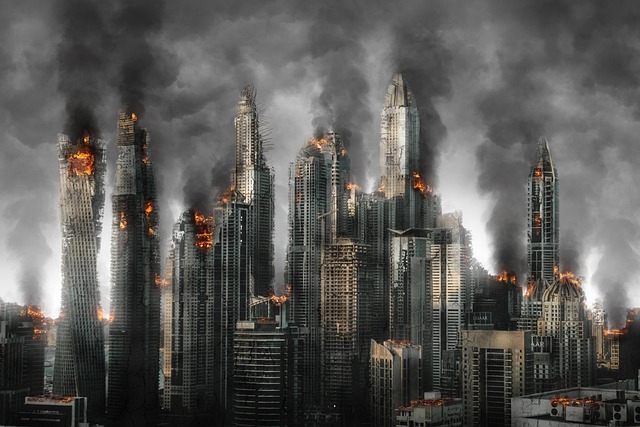
Smoke damage can leave a lingering, unpleasant odor that permeates every corner of a space—from homes to commercial properties and historic structures in Central Virginia. Understanding smoke damage goes beyond the visible effects; it delves into the intricate chemistry behind the odors and the potential health risks associated with them. When a fire incident occurs, smoke contains a complex mix of particles and gases that can adhere to surfaces, causing long-lasting smells that are not easily eliminated through conventional cleaning methods.
The causes of smoke damage vary widely, from cooking fires to structural blazes. In residential settings, common sources include burning candles or cooking oils. After a fire incident, the remains of burnt materials—from wood and drywall to furniture and personal belongings—release volatile organic compounds (VOCs) that contribute to the smoky odor. Historic homes, with their unique architectural features and often delicate materials, pose specific challenges during restoration because they may require specialized care to preserve irreplaceable artifacts and structures. In Central Virginia, where restoring your business or historic homes is a priority, property owners must be aware of the multifaceted nature of smoke damage.
Beyond the nasal irritation caused by unpleasant odors, prolonged exposure to certain VOCs can lead to respiratory issues and other health complications. This is particularly concerning in enclosed spaces like buildings where air circulation may be limited. In light of these risks, it's crucial to seek professional help for smoke damage cleanup, especially when dealing with commercial properties or historic homes. For instance, Property Restoration of the Capital Region has extensive experience in navigating the complexities of smoke damage restoration, ensuring that affected areas are not only deodorized but also safely decontaminated and restored to their pre-incident condition.
Actionable advice for property owners includes documenting the damage through photos and videos, contacting insurance providers promptly, and engaging reputable restoration companies specializing in smoke damage cleanup. These professionals utilize advanced equipment and proven techniques, such as air filtration systems and specialized odor removal treatments, to address the root causes of smoky odors naturally. By prioritizing professional assistance, homeowners and business owners can restore their spaces to a safe, pleasant, and odorfree environment after a fire incident.
When to Call in Professional Help for Odor Removal

Smoke damage can leave behind persistent odors that are both unpleasant and unhealthy. While some minor cases may be addressed with natural remedies, more severe smoke damage—especially in commercial properties—often requires professional intervention. After fire damage, for instance, it's crucial to understand when to call in experts like those offering Property Restoration of the Capital Region services near you.
Professional odor removal is particularly essential when smoke has penetrated deep into walls, ceilings, and other structural elements. Commercial spaces, with their larger square footage and diverse materials, demand specialized care. Generic cleaning solutions often fail to eliminate odors completely, leaving behind a lingering trace that can affect air quality and even trigger health issues. In such cases, it's recommended to seek services tailored for smoke damage restoration, ensuring thorough decontamination and odor neutralization.
Consider professional help if the smell persists despite extensive cleaning or if it reoccurs after temporary abatement. Services like Property Restoration of the Capital Region employ advanced techniques and equipment designed specifically for smoke and fire damage remediation. They understand that removing odors is a multifaceted process involving the safe disposal of contaminated materials, ventilation, and specialized chemical treatments. By enlisting their expertise, property owners can be confident in achieving a safe, pleasant indoor environment, free from the remnants of smoke damage.
Natural Solutions for Minimizing Smoke Damage

Overcoming smoky odors and smoke damage naturally requires a customized approach tailored to your specific needs, especially in areas like Henrico County where homes can be significantly affected by nearby fires or industrial activities. The first step is understanding that effective smoke cleaning goes beyond surface-level fixes. It involves removing not just the visible residue but also the lingering odors and harmful particles that can stick to walls, furniture, and even structural components.
Professional services in Henrico County are equipped with advanced techniques and products designed to expertly restore homes affected by smoke damage naturally. These methods include using specialized vacuum cleaners with high-efficiency particulate air (HEPA) filters to capture fine particulates, along with targeted applications of natural odor neutralizers such as ozone generators or essential oil-based solutions. For instance, a study by the Environmental Protection Agency (EPA) found that ozonation, a process involving the use of ozone gas, effectively reduced smoke odors in affected indoor spaces.
In addition to these techniques, professionals often recommend a multi-step approach including sealing and repainting walls, replacing contaminated filters in HVAC systems, and thoroughly cleaning or replacing affected textiles and furnishings. This comprehensive strategy ensures that not only the visible signs of smoke damage are removed but also the underlying causes of persistent odors and potential health risks. Property Restoration of the Capital Region offers such expertly tailored solutions, working closely with clients to restore their homes to pre-damage conditions naturally and efficiently.
The Science Behind Smoke Odor Elimination

The science behind smoke odor elimination is a complex process that requires a deep understanding of how smoke and odors interact with various surfaces. When smoke damage occurs, as it often does during fires near Short Pump, Virginia, it leaves behind volatile organic compounds (VOCs) that can cling to walls, furniture, and even structural elements in historic homes. These VOCs, including aldehydes, benzene, and formaldehyde, are responsible for the pungent, often unpleasant, smell associated with smoke damage.
Professionals in smoke odor elimination employ advanced techniques and products designed to neutralize these compounds. One common method involves using activated carbon or ionization technology to adsorb (or attract) the VOCs from the air and surfaces. For instance, Property Restoration of the Capital Region utilizes state-of-the-art equipment that combines high-efficiency particulate air (HEPA) filtration with UV light to disinfect and deodorize affected areas effectively. This multi-step approach ensures not only the removal of surface odors but also the elimination of airborne contaminants.
Additionally, professionals take a systematic decontaminating approach, addressing every corner of the property. In historic homes, this process is particularly delicate, as it requires specialized techniques to preserve valuable artifacts and structures. Near Short Pump fire and water damage sites, quick response times are crucial to mitigate smoke odor before it becomes deeply ingrained. By implementing these advanced strategies, professionals can restore not only the physical structure but also the sense of comfort and security that a home provides, ensuring that the remnants of smoke damage—both visible and olfactory—are eliminated once and for all.
Restoring Your Space: Step-by-Step Guide
Smoke damage can leave a lingering, unpleasant odor that permeates your space, disrupting peace of mind long after the fire incident is over. Restoring your home or business to its pre-damaged state, especially in Richmond, VA, requires more than just air fresheners—it necessitates professional help to combat stubborn odors and restore peace of mind. Property Restoration of the Capital Region offers specialized services near you to tackle smoke damage naturally and effectively.
The first step is identifying the source of the odor. Smoke contains various compounds, including volatile organic compounds (VOCs) and particulate matter, which can adhere to surfaces long after the flames are extinguished. In many cases, odors linger because of charred materials, burnt furniture, or even settled ash particles. Our experts conduct a thorough assessment to pinpoint these sources and develop a customized restoration plan. This involves using advanced equipment like air scrubbers and dehumidifiers to remove contaminants and reduce moisture levels, which often exacerbate smells.
Once the area is prepared, our technicians employ proven methods to mitigate smoke damage naturally. This includes power washing surfaces, applying enzymatic cleaners to break down odors at a molecular level, and utilizing odour-neutralizing products. For example, in a recent project after a fire incident, we successfully restored an historic home in Richmond, VA, eliminating persistent cigarette smoke smells. By combining these techniques with careful restoration work, Property Restoration of the Capital Region ensures your space not only looks good as new but also smells fresh and clean. Remember that professional assistance is invaluable when it comes to addressing smoke damage naturally, especially after a fire incident, ensuring your well-being and restoring peace of mind.
Preventing Future Issues: Smoke Damage Prevention Tips
Overcoming smoky odors can be a challenging task, especially after fires or other smoke-inducing incidents. In the Greater Richmond area, where homes and businesses in Chesterfield County often face these issues, professional help is invaluable for complete smoke damage removal and prevention. While some may attempt to tackle smoke damage naturally, it's crucial to understand that stubborn odors and lingering effects can persist without specialized cleaning methods.
Professional cleaning services, like those offered by Property Restoration of the Capital Region, are equipped with the knowledge and tools to effectively combat smoke damage. Their experts recognize that removing the odor alone isn't enough; they must address the underlying causes to prevent future issues. This involves a thorough understanding of different types of smoke and their unique properties, as smoke from different sources—kitchen fires, candles, or wildfires—can have distinct characteristics and effects. For instance, data shows that even low-level smoke exposure can lead to respiratory issues, making prompt and thorough cleaning critical for the health and well-being of occupants.
In Central Virginia, where homes and businesses are diverse in age and construction, a tailored approach is essential. Property Restoration specialists employ advanced techniques such as air purification, odor removal treatments, and specialized equipment to ensure every nook and cranny is free from smoke residue. They also provide valuable advice on long-term prevention strategies, including regular ventilation, proper cleaning routines, and using fire-resistant materials during renovations or construction projects. By combining expert knowledge with cutting-edge technology, these professionals can transform affected spaces into safe, healthy, and odor-free environments, ensuring the comfort and peace of mind of their clients.
By understanding the causes and effects of smoke damage, readers are equipped to recognize when professional help is necessary for effective odor removal. The article highlights the importance of acting promptly to prevent lasting impacts. Natural solutions, such as using baking soda and vinegar, offer a non-toxic approach to minimizing smoke damage. Scientifically-backed methods, like air purification and odor neutralizers, provide powerful tools for eliminating stubborn odors. The step-by-step restoration guide offers a practical framework for regaining control of affected spaces. Moreover, the prevention tips emphasize maintaining proper ventilation and quickly addressing fires to avoid future smoke damage naturally. Through these key insights, readers gain valuable knowledge to protect their properties and restore comfort in the face of smoke-related challenges.