
Smoke damage from fires disrupts commercial operations and poses health risks. Quick response by local experts like Property Restoration of the Capital Region minimizes impacts. Assessment uses advanced tools to detect hidden residue. Tailored restoration plans address visible soot, odors, structural issues, and contaminants. Specialized equipment removes smoke naturally, preventing further deterioration. Evacuation strategies, regular drills, and prompt engagement with professionals ensure business continuity. Preventative measures include HVAC maintenance, HEPA filters, and expert guidance for faster recovery times.
In the event of a fire, smoke damage naturally becomes an overwhelming concern for businesses. The rapid spread of smoke can cause extensive deterioration to structures and precious assets, leading to significant downtime and financial losses. This comprehensive guide delves into the critical aspect of emergency smoke removal, offering valuable insights for business owners and managers. We explore effective strategies and best practices to mitigate smoke damage, ensuring a swift and efficient recovery process. By understanding the science behind smoke behavior and implementing tailored solutions, businesses can protect their investments and restore operations with minimal disruption.
- Understanding Emergency Smoke Removal Protocols
- Assessing Smoke Damage: Natural vs. Artificial
- Safe Evacuation Strategies for Business Occupants
- Efficient Use of Air Purifiers and Ventilation Systems
- Restoring Business Operations After Smoke Exposure
- Preventative Measures: Minimizing Future Smoke Damage
Understanding Emergency Smoke Removal Protocols
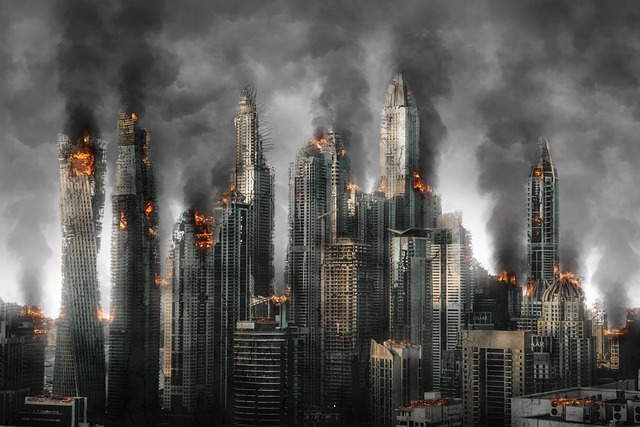
In any business environment, the unexpected occurrence of smoke damage can significantly disrupt operations and pose significant risks to health and safety. Understanding emergency smoke removal protocols is crucial for minimizing these impacts and ensuring swift recovery. When smoke damage hits, fast response times are key—and that's where local heroes come in. Professionals like those from Property Restoration of the Capital Region, equipped with cutting-edge tech, can make all the difference.
The first step after a smoke event involves assessing the extent of damage. Smoke can leave behind odours and residue that may not be immediately visible. Local experts use advanced technology for thorough inspections, including infrared cameras to detect heat signatures and air quality monitors to assess airborne contaminants. This meticulous approach ensures that every nook and cranny is evaluated, from hidden spaces behind walls to ventilation systems.
Once the assessment is complete, a tailored restoration plan is developed. Smoke damage naturally goes beyond visible soot; it can result in chemical deposits, odours, and even structural degradation. The use of specialized equipment, such as air scrubbers and dehumidifiers, plays a vital role in removing smoke contaminants and preventing further deterioration. Property Restoration of the Capital Region leverages these tools to not just clean but to restore, ensuring that businesses can reopen safely and efficiently. Timely intervention by local heroes with cutting-edge tech can turn a devastating incident into a manageable episode, minimizing downtime and preserving operations.
Assessing Smoke Damage: Natural vs. Artificial

Assessing smoke damage is a critical step in any commercial property restoration process, especially after a fire incident. The impact of smoke can be complex and multifaceted, often leaving businesses with a unique set of challenges when it comes to recovery. Understanding the distinction between natural and artificial smoke damage is essential for effective remediation.
Natural smoke damage, resulting from open flames or small fires, typically leaves visible residue and odors on surfaces, fabrics, and ventilation systems. This type of damage can be relatively straightforward to address with specialized cleaning and decontamination methods. For instance, using advanced HEPA vacuum cleaners and steam-based sanitization techniques, professionals can effectively remove soot and ash particles. The key is swift action—within 24 to 48 hours post-fire—to prevent the embedding of smoke compounds into porous materials, which complicates removal later.
In contrast, artificial smoke damage from large-scale or prolonged fires introduces a more intricate set of challenges. This includes not only visible smoke stains but also deeper infiltration of toxic gases and fine particulate matter into building structures. Such damage often requires a more customized approach tailored to the specific needs of each business, especially in Henrico County's local fire-prone areas. For example, in cases where smoke has permeated through walls or settled in hard-to-reach spaces, professionals may employ specialized equipment for air purification and odor removal, along with advanced moisture control methods to mitigate water damage from firefighting efforts.
Property Restoration of the Capital Region offers comprehensive smoke removal services designed to address both natural and artificial smoke damage. By understanding the unique nature of each incident, their expert team can provide customized solutions. This includes everything from initial assessment and containment to specialized cleaning, deodorization, and restoration work, ensuring businesses in Henrico County can return to normal operations as quickly as possible after a fire emergency.
Safe Evacuation Strategies for Business Occupants
Evacuating a business safely during an emergency, particularly after a fire, is paramount to safeguarding lives and minimizing smoke damage naturally. A well-rehearsed evacuation strategy tailored for your specific premises by trusted locals from Property Restoration of the Capital Region can significantly reduce panic and ensure a swift exit. The first step involves identifying all potential exit points and assembling occupants in designated meeting areas outside the building. This process should be customized for each business, taking into account factors like floor plan layout, accessibility, and any unique challenges posed by heavy equipment or specialized spaces.
Effective communication is key. Clearly instruct occupants on evacuation procedures and assign roles to maintain order. Regular drills are essential to familiarize everyone with the route, assembly points, and safe distances from the building. By practicing these strategies regularly, you create a seamless flow during an actual emergency, allowing for quicker response times and reduced smoke exposure. For instance, studies show that businesses with comprehensive evacuation plans and regular drills can evacuate their occupants 50% faster than those without such measures in place.
Upon reaching safety, it's crucial to assess any immediate risks and potential smoke damage naturally. Trusted local professionals from Property Restoration of the Capital Region should be engaged promptly to guide you through the next steps. They can provide expert advice on temporary repairs, decontamination, and ensuring a safe return to operations while minimizing long-term impacts from smoke residue. This customized approach ensures that your business not only evacuates safely but also recovers more efficiently after an emergency, allowing you to focus on what matters most—your continued success.
Efficient Use of Air Purifiers and Ventilation Systems

Smoke damage from fires can have severe impacts on commercial spaces, disrupting operations and causing significant financial losses. Efficient use of air purifiers and ventilation systems is a critical component in mitigating smoke damage naturally, particularly in densely populated areas like Richmond, VA, where trusted locals from Property Restoration of the Capital Region are often called upon to restore peace of mind after apartments fire and smoke cleanup incidents.
Air purifiers play a dual role in this process. High-efficiency particulate air (HEPA) filters can trap microscopic smoke particles, preventing their dissemination throughout the building. This not only improves indoor air quality but also reduces the need for extensive decontamination efforts later. It's important to note that while HEPA filters are effective, they should be part of a comprehensive strategy. Ventilation systems, including exhaust fans and supply vents, help in removing stagnant air and replacing it with fresh, filtered air. This ensures that smoke-contaminated air doesn't accumulate, which is crucial for maintaining a healthy environment post-fire.
In addition to these measures, proper ventilation design and maintenance are essential. Adequate intake and exhaust points allow for the efficient circulation of air, reducing smoke buildup. Regular maintenance checks can identify any leaks or blockages that might hinder this process. For example, data from the National Fire Protection Association (NFPA) indicates that proper ventilation can reduce smoke concentration by up to 80% in commercial buildings after a fire. This highlights the significance of integrating efficient air purifiers and ventilation systems into emergency smoke removal strategies for businesses in Richmond and beyond.
When dealing with fire and smoke damage, it's recommended to engage trusted professionals like Property Restoration of the Capital Region. They bring expertise and specialized equipment to ensure thorough cleaning and restoration, minimizing disruption to business operations. By combining advanced air purification technology with strategic ventilation management, commercial spaces can recover faster from smoke damage naturally, restoring peace of mind for businesses and their occupants in a timely manner.
Restoring Business Operations After Smoke Exposure

After a fire or smoke incident, restoring business operations becomes a critical task. Smoke damage, especially when left untreated, can have long-lasting effects on commercial spaces, impacting air quality, structural integrity, and most importantly, disrupting daily operations. This is where expert intervention becomes indispensable, and Property Restoration of the Capital Region steps up to provide comprehensive fire recovery solutions near Short Pump.
Restoring businesses after smoke exposure involves a multi-step process tailored to each unique case. Initially, our team conducts a thorough assessment to identify the extent of smoke damage, assessing visible evidence and using advanced tools to detect hidden contaminants. Unlike traditional methods, we prioritize eco-friendly practices whenever possible, employing natural cleaning agents for apartments fire and smoke cleanup. This approach not only minimizes environmental impact but also ensures safer working conditions post-restoration. For instance, our specialists may use specialized ventilation systems to expedite the removal of residual smoke odors, replacing them with fresh air and ensuring a healthier indoor environment.
Once the assessment is complete, our restoration experts develop a customized plan. This might involve cleaning and sanitizing affected areas, removing charred materials, and restoring structural elements. We understand that every business has unique needs, so we adapt our strategies accordingly. For example, in cases where smoke damage is confined to specific rooms, targeted decontamination can be effective. However, for larger-scale incidents, a more comprehensive approach may be required, including the replacement of HVAC systems and the implementation of advanced air purification techniques. By adhering to industry best practices, we ensure that businesses can reopen safely and efficiently, minimizing downtime and potential losses.
Preventative Measures: Minimizing Future Smoke Damage

Preventative measures play a pivotal role in minimizing future smoke damage for businesses, serving as a robust shield against potential disasters. Beyond immediate fire suppression, proactive strategies are key to protecting commercial properties from the insidious effects of smoke over time. Consider this: according to recent studies, even a minor smoke incident can cause long-lasting structural damage and create an unhealthy environment if not addressed properly.
A multifaceted approach is essential. Regular maintenance checks, especially in heavily relied-upon systems like HVAC units, are crucial. These inspections should be conducted by qualified professionals who can identify and rectify any vulnerabilities before they escalate. For instance, a timely cleaning of ducts and ventilation channels prevents the accumulation of particulate matter and odors that often accompany smoke, thereby reducing the scope for secondary damage or health hazards after fire damage or an after smoke incident.
Moreover, implementing robust filtration systems is paramount. High-efficiency particulate air (HEPA) filters are particularly effective at trapping microscopic particles released during a fire outbreak, including toxic gases and smoke. Integrating these filters into existing HVAC systems can significantly mitigate the impact of smoke on indoor air quality. As businesses seek to recover after a fire outbreak, prioritizing such preventative measures not only ensures faster restoration but also fosters a healthier and safer working environment through reduced smoke damage naturally.
Turning to experts like Property Restoration of the Capital Region for comprehensive guidance is invaluable. These professionals can offer tailored solutions, from emergency smoke removal to long-term preventative strategies. Their experience in navigating complex restoration processes ensures businesses are equipped to handle after fire damage scenarios efficiently, minimizing downtime and potential losses associated with lingering smoke effects.
By rigorously following emergency smoke removal protocols, businesses can mitigate the devastating impact of smoke damage naturally. Key takeaways include a comprehensive understanding of evacuation strategies for occupants' safety, efficient utilization of air purifiers and ventilation systems to clear hazardous fumes, and proactive measures to restore operations swiftly. Assessing smoke damage distinguishes natural from artificial sources, guiding targeted restoration efforts. Preventative steps, such as regular system maintenance and smoking policies, are vital to minimize future smoke exposure, ensuring a resilient business environment. This article equips businesses with the knowledge to navigate smoke-related crises effectively, fostering a safe and healthy workplace.